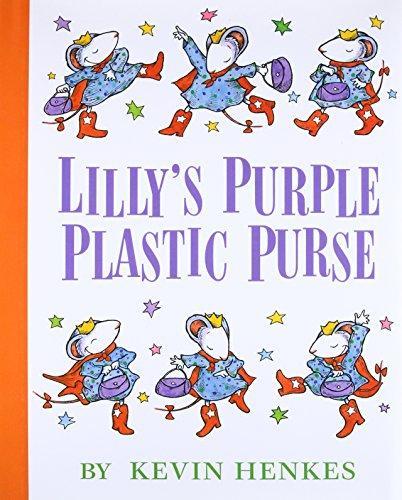

Emblematic of School Glaze
2 stars
This story is sort of disappointing in comparison to Henkes's other work (like Waiting), especially as it really is of the genre that I feel we should title "School Glaze." It's one of those books that, intentionally or not, really pushes the pro-school propaganda and fails to recognise what the most common response would be to something of this nature.
While I'm sure there are teachers like Mr Slinger (and I'd like to pretend that it's most of them), I don't know many of them. Even the most outwardly kind-seeming teachers that I've worked would not handle this well, and many of them would've held a vendetta against a child who did these actions and without any discussion of or engagement with the ways in which children develop and learn to fit in with the people around them. I wish more kids, since they're coerced into schools and …
This story is sort of disappointing in comparison to Henkes's other work (like Waiting), especially as it really is of the genre that I feel we should title "School Glaze." It's one of those books that, intentionally or not, really pushes the pro-school propaganda and fails to recognise what the most common response would be to something of this nature.
While I'm sure there are teachers like Mr Slinger (and I'd like to pretend that it's most of them), I don't know many of them. Even the most outwardly kind-seeming teachers that I've worked would not handle this well, and many of them would've held a vendetta against a child who did these actions and without any discussion of or engagement with the ways in which children develop and learn to fit in with the people around them. I wish more kids, since they're coerced into schools and are a highly controlled demographic of people, were around adults who would help them work through these kinds of feelings and behaviours (and also be less visibly/publicly upset when children who are upset with them handle their feelings in bad/harmful ways), but they are more likely than not to find adults who will not handle those behaviours well at all.
I like the messaging of being able to apologise, how you can apologise, and working toward forgiveness, but that messaging is also necessary for adults towards children in order to make it function, too. And we just don't live in a world where it is widely recognised that children are working their way through it, learning as they go (as we all did), and need people who are patient and are willing to guide them.
(Granted, I also think part of the issue is that... if the teacher had done more to help Lilly understand how her behaviours were negative rather than "No, you need to wait," it would've resulted in more appropriate behaviour and understanding. An adult not really explaining to a young child why they need to wait and be patient is not going to see that child responding well. So I don't like the messaging of "just do as your told" that is woven within this story, even if the teacher is kind, patient, and forgiving.)