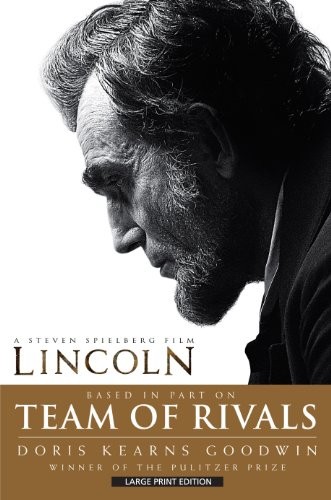

Matthew Royal reviewed Team of Rivals by Doris Kearns Goodwin
Review of 'Team of Rivals' on 'Goodreads'
3 stars
Fascinating historical portrait of Lincoln I hadn't heard before. Starting this book, I expected to learn more about how keeping his former rivals in his presidential cabinet helped him make a stronger presidency, but really, it was simply stated that conversation among the cabinet was contentious, occasionally someone had to be replaced, and at the end of his life Lincoln and Seward had developed a strong mutual love for each other. No larger lessons or principals, but a good historical exception that rather than being a Pollyanna philosophy of life, was actually a shrewd political calculation that modern politicians such as Hillary Clinton in her defeat of Sanders could have duplicated.
Fascinating historical portrait of Lincoln I hadn't heard before. Starting this book, I expected to learn more about how keeping his former rivals in his presidential cabinet helped him make a stronger presidency, but really, it was simply stated that conversation among the cabinet was contentious, occasionally someone had to be replaced, and at the end of his life Lincoln and Seward had developed a strong mutual love for each other. No larger lessons or principals, but a good historical exception that rather than being a Pollyanna philosophy of life, was actually a shrewd political calculation that modern politicians such as Hillary Clinton in her defeat of Sanders could have duplicated.