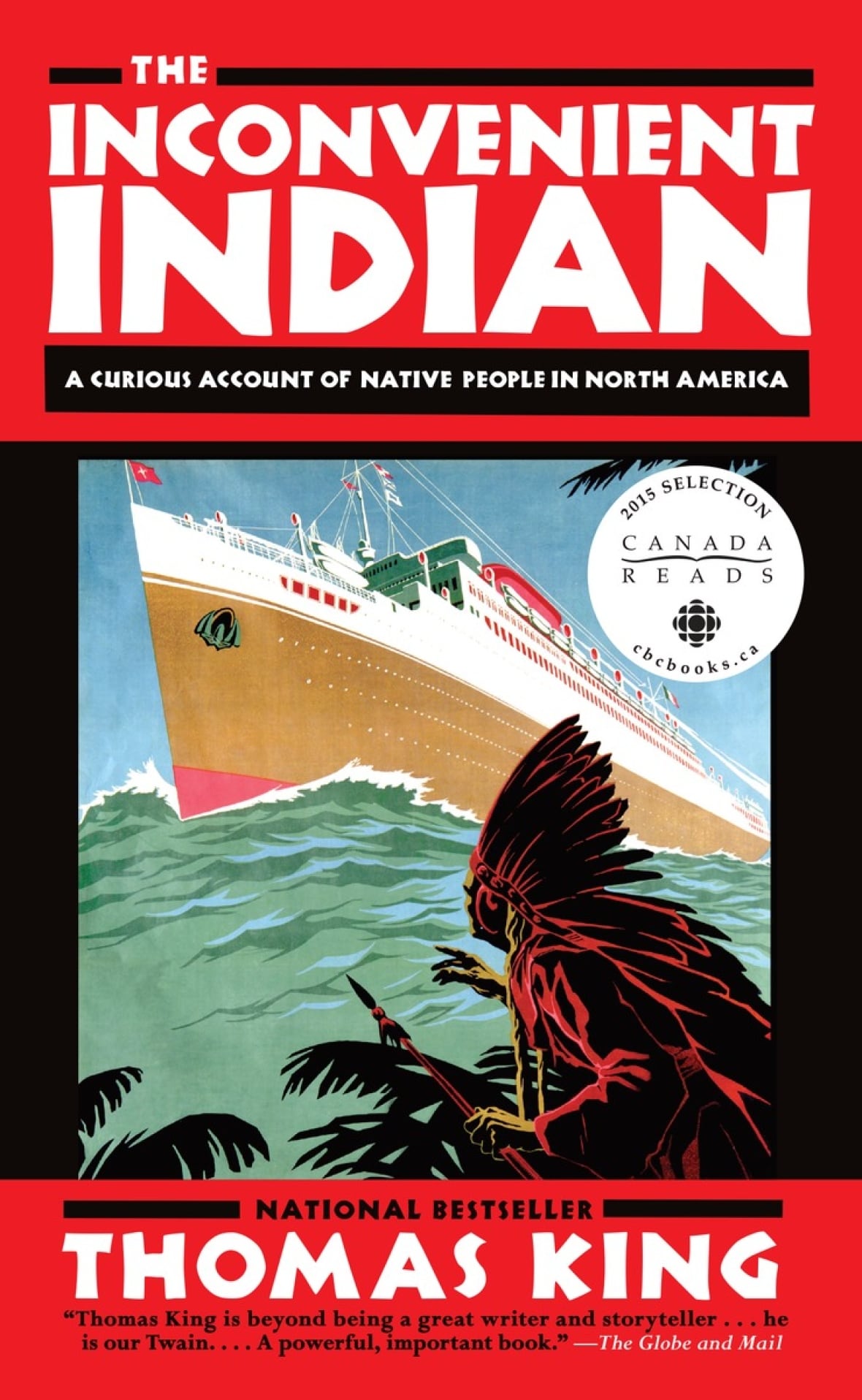
The Inconvenient Indian: A Curious Account of Native People in North America by Thomas King
The Inconvenient Indian is at once a “history” and the complete subversion of a history - in short, a critical …

This link opens in a pop-up window
The Inconvenient Indian is at once a “history” and the complete subversion of a history - in short, a critical …
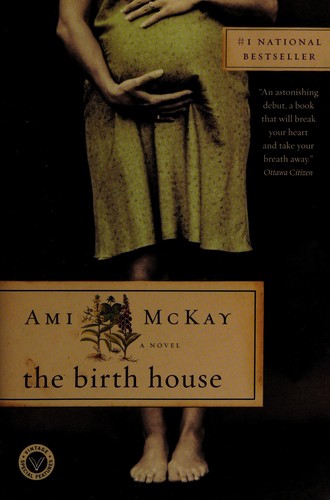
An arresting portrait of the struggles that women faced for control of their own bodies, …
This was a well-written book with an interesting and compelling main character. Although it was somewhat predictable, there was enough suspense to keep me reading.
However, I had trouble getting on board with the basic premise of the novel: modern medicine=bad herbalism and midwifery=good. While I do see a place for traditional remedies and midwives/doulas, one has only to visit an old graveyard to see how many women and babies were lost in childbirth before the advent of modern methods. I probably wouldn't be here today and neither would my children if it weren't for the care and skill of my obgyn. Although McKay, through Rare, does say that doctors and midwives should work together, this seems to be mere lip service to the concept, as she paints the doctor in the novel as such a buffoon and his methods as so ill-informed and damaging.
This was a well-written book with an interesting and compelling main character. Although it was somewhat predictable, there was enough suspense to keep me reading.
However, I had trouble getting on board with the basic premise of the novel: modern medicine=bad herbalism and midwifery=good. While I do see a place for traditional remedies and midwives/doulas, one has only to visit an old graveyard to see how many women and babies were lost in childbirth before the advent of modern methods. I probably wouldn't be here today and neither would my children if it weren't for the care and skill of my obgyn. Although McKay, through Rare, does say that doctors and midwives should work together, this seems to be mere lip service to the concept, as she paints the doctor in the novel as such a buffoon and his methods as so ill-informed and damaging.
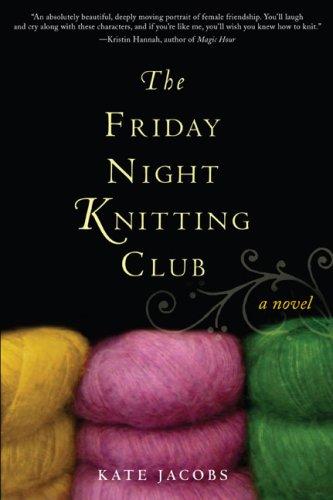
I was going to quit reading this book in the middle, after slogging through the first half, but for some reason I kept on going. I regret doing so.
If you like soap opera-style plot lines and character development, tired clichés, predictable outcomes, and preachy narration, then this book is for you. If you like a book that makes you laugh and cry, become immersed in the lives and worlds of the characters, and keeps you turning the pages to find out what will happen, then give this one a miss.
While I marked this book as finished, I didn't read the last dozen pages or so, because I simply did not care.
I was going to quit reading this book in the middle, after slogging through the first half, but for some reason I kept on going. I regret doing so.
If you like soap opera-style plot lines and character development, tired clichés, predictable outcomes, and preachy narration, then this book is for you. If you like a book that makes you laugh and cry, become immersed in the lives and worlds of the characters, and keeps you turning the pages to find out what will happen, then give this one a miss.
While I marked this book as finished, I didn't read the last dozen pages or so, because I simply did not care.

Budding cartoonist Junior leaves his troubled school on the Spokane Indian Reservation to attend an …
I really liked this book. A raw and funny coming-of-age on-and-off-the-rez story, I'd say this is one of Alexie's finest. Although Alexie doesn't shirk from portraying the hardships and sorrows of life for a nerdy kid growing up on the rez and dealing with racism, poverty, violence, addictions (of those around him), and death, he does so with compassion and humour and hope. What more can a reader ask from a book than to laugh a little, cry a little, and learn a little?
I really liked this book. A raw and funny coming-of-age on-and-off-the-rez story, I'd say this is one of Alexie's finest. Although Alexie doesn't shirk from portraying the hardships and sorrows of life for a nerdy kid growing up on the rez and dealing with racism, poverty, violence, addictions (of those around him), and death, he does so with compassion and humour and hope. What more can a reader ask from a book than to laugh a little, cry a little, and learn a little?
Fate takes many forms. . . . When Henry receives a letter from an elderly …
This was a disturbing book. Of course, I understand that it was meant to be disturbing, but I found it gratuitously so. Whereas Life of Pi had disturbing elements, these were balanced by humour and compassion. There is too little of either in Beatrice and Virgil.
Also, where Life of Pi was a suspenseful page-turner, Beatrice and Virgil was far too put-down-able. None of the characters were particularly likeable or sympathetic, which, again, is probably the point, but it's difficult to engage the reader when all the characters are either unlikeable or poorly developed.
Martel's skill as a writer is evident, but I dislike it when such skill is so evident that I'm focusing on technique rather than immersing myself in the story.
Martel does succeed in conveying the horrors of the Holocaust, particularly with the "games" at the end of the book, but the reader is left without …
This was a disturbing book. Of course, I understand that it was meant to be disturbing, but I found it gratuitously so. Whereas Life of Pi had disturbing elements, these were balanced by humour and compassion. There is too little of either in Beatrice and Virgil.
Also, where Life of Pi was a suspenseful page-turner, Beatrice and Virgil was far too put-down-able. None of the characters were particularly likeable or sympathetic, which, again, is probably the point, but it's difficult to engage the reader when all the characters are either unlikeable or poorly developed.
Martel's skill as a writer is evident, but I dislike it when such skill is so evident that I'm focusing on technique rather than immersing myself in the story.
Martel does succeed in conveying the horrors of the Holocaust, particularly with the "games" at the end of the book, but the reader is left without any sense of hope or redemption, so what's the point?
In making myself finish this novel, I identified with the woman who had no choice but to drown herself, and yet had difficulty accomplishing even that.
A haunting novel about identity, love, and loss by the author of Three Day RoadWill …
Whew. It took me a long time to read this book, mostly because I've been really busy and haven't been reading.
However, I did not find this book to be as un-put-downable as Three Day Road. So I was not compelled to stay awake until 4:00 am some night to finish it.
That said, it's still a great read. Boyden has wonderful way with imagery, and his characters are well-developed, if a little rough around the edges. I confess I did find it hard to relate to Annie, though, and I didn't care at all about the missing sister, who meant nothing more to me than a retouched face in a magazine ad. The uncle, though--Will--was a sympathetic character.
This novel portrays a fascinating cocktail of traditional bush life, rez life, street life, and the high life, exposing the contrasts and contradictions of life for Aboriginal people today.
Whew. It took me a long time to read this book, mostly because I've been really busy and haven't been reading.
However, I did not find this book to be as un-put-downable as Three Day Road. So I was not compelled to stay awake until 4:00 am some night to finish it.
That said, it's still a great read. Boyden has wonderful way with imagery, and his characters are well-developed, if a little rough around the edges. I confess I did find it hard to relate to Annie, though, and I didn't care at all about the missing sister, who meant nothing more to me than a retouched face in a magazine ad. The uncle, though--Will--was a sympathetic character.
This novel portrays a fascinating cocktail of traditional bush life, rez life, street life, and the high life, exposing the contrasts and contradictions of life for Aboriginal people today.
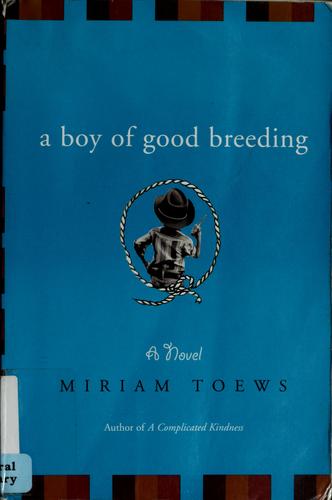
Toews is one of my favourite authors, but this may be my least favourite of her books, so far. It is humourous and clever, and it kept us entertained during our drive to Kelowna and halfway back, so I'm not saying it's a bad book. Far from it. I still gave it a 4-star rating. It's just that I didn't relate to the characters quite as much as I have in other books. That may be due to "reading" it in audio format, although the reader was excellent.
This book is set in Canada's smallest town--a distinction that is difficult to maintain, what with births, deaths, people moving away, and people moving in. If the population drops too low, it is no longer a town. If it is too high, the town will no longer be the smallest in the country. Keeping the title of Canada's smallest town is vitally …
Toews is one of my favourite authors, but this may be my least favourite of her books, so far. It is humourous and clever, and it kept us entertained during our drive to Kelowna and halfway back, so I'm not saying it's a bad book. Far from it. I still gave it a 4-star rating. It's just that I didn't relate to the characters quite as much as I have in other books. That may be due to "reading" it in audio format, although the reader was excellent.
This book is set in Canada's smallest town--a distinction that is difficult to maintain, what with births, deaths, people moving away, and people moving in. If the population drops too low, it is no longer a town. If it is too high, the town will no longer be the smallest in the country. Keeping the title of Canada's smallest town is vitally important to its mayor, for reasons which I will not disclose, so as not to give away too much of the story. However, this precarious balance is threatened in numerous ways--sometimes comic, sometimes tragic, sometimes touching, and sometimes bordering on the macabre.
This was a book purchased as a beach read from the bargain book table. It was pretty good--well written, a bit trite but entertaining.
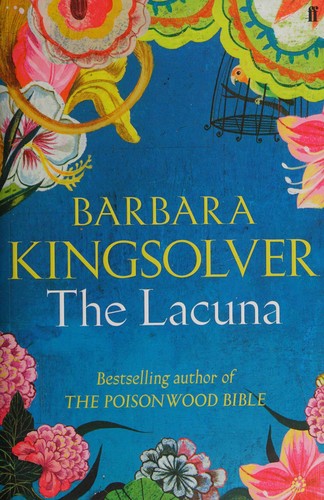
"The story of Harrison William Shepherd, a man caught between two worlds -- Mexico and …
I love Kingsolver, but I found this book a bit of a slog at times. It might be because I started "reading" it as an audio book on a short trip, but heard only the first few chapters. A few months later I picked it up at my favourite used book store and tried to pick up where I'd left off in the summer, but I had lost the thread. So, I started over this summer but had trouble really getting into it.
I didn't find the characters or the situations particularly compelling. I should have, as the story deals with some major historical figures and events, as well as some important social issues, from the point of view of someone who is involved but in a somewhat peripheral way. Perhaps therein lies the problem. The story comes to us through the journals of this bystander and he is not …
I love Kingsolver, but I found this book a bit of a slog at times. It might be because I started "reading" it as an audio book on a short trip, but heard only the first few chapters. A few months later I picked it up at my favourite used book store and tried to pick up where I'd left off in the summer, but I had lost the thread. So, I started over this summer but had trouble really getting into it.
I didn't find the characters or the situations particularly compelling. I should have, as the story deals with some major historical figures and events, as well as some important social issues, from the point of view of someone who is involved but in a somewhat peripheral way. Perhaps therein lies the problem. The story comes to us through the journals of this bystander and he is not someone who expresses his emotions strongly. He is a private, introspective person, and so maybe it is difficult for the reader to develop strong empathy for either him or his associates.
I did really like the way the book ended, although I think Kingsolver should have left the reader to surmise how the lacuna may have featured in Harrison's fate. Instead, she patronizes her reader a little by having Violet, the stenographer who has collected Harrison's journals, come to this realization and explain it. Readers like to feel a little bit clever, even if the author has manipulated their "discoveries," and Kingsolver spoils this.
I'd say this is my least favourite Kingsolver book, but she remains one of my favourite authors, nonetheless.
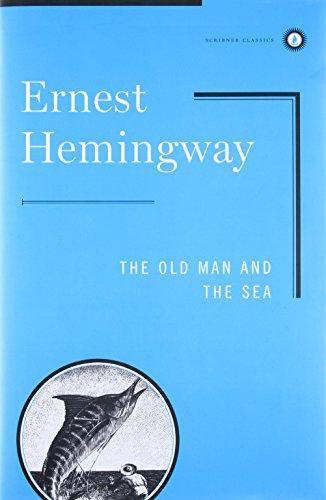
The Old Man and the Sea is a novella written by the American author Ernest …
It's easy to see why this story is such a classic. It is a perfect example of a classical story arc. Like his old man, Hemingway baits and sets his line and plays the reader with perfect skill and timing. The story has pathos, suspense, and a well-drawn and sympathetic protagonist. The conflict is elemental and so basic as to be almost "bare bones" (pun intended). As usual, Hemingway's language is clean and simple, each word so aptly chosen, he makes one do the work for which other writers need ten.
It's been a long time since I've read Hemingway, and I won't let such a lapse occur again.
It's easy to see why this story is such a classic. It is a perfect example of a classical story arc. Like his old man, Hemingway baits and sets his line and plays the reader with perfect skill and timing. The story has pathos, suspense, and a well-drawn and sympathetic protagonist. The conflict is elemental and so basic as to be almost "bare bones" (pun intended). As usual, Hemingway's language is clean and simple, each word so aptly chosen, he makes one do the work for which other writers need ten.
It's been a long time since I've read Hemingway, and I won't let such a lapse occur again.
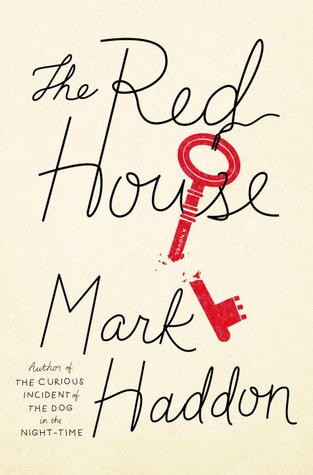
I found the writing choppy and disjointed, and the characters difficult to distinguish from one another.
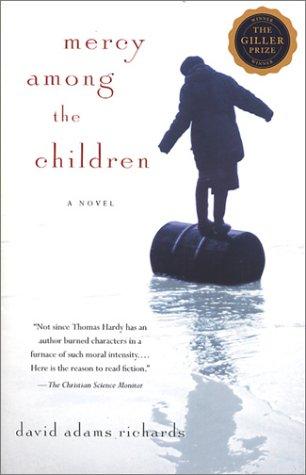
This was a depressing book, and I fail to see the point of all that misery, unless the message is the trite and obvious (and, unfortunately, false) one that goodness prevails in the end. It resembles a Shakespearean tragedy, in that the tragic flaws of the characters lead to much death and destruction.
Like the movie, "The Pursuit of Happyness," the poverty, misfortune, and cruelty in this novel is so overwhelming, for such a long period of time, that when the tides finally turn, it is far too little, too late.
Even the "good" characters in this book aren't particularly likeable, with the exception of Percy.
This book also has a weird narrative point-of-view. It's sort of First Person Omniscient, which contributes neither to clarity nor believability.
While I was reading this, I kept thinking, "Maybe I have to be Catholic to get it." I felt the same way about …
This was a depressing book, and I fail to see the point of all that misery, unless the message is the trite and obvious (and, unfortunately, false) one that goodness prevails in the end. It resembles a Shakespearean tragedy, in that the tragic flaws of the characters lead to much death and destruction.
Like the movie, "The Pursuit of Happyness," the poverty, misfortune, and cruelty in this novel is so overwhelming, for such a long period of time, that when the tides finally turn, it is far too little, too late.
Even the "good" characters in this book aren't particularly likeable, with the exception of Percy.
This book also has a weird narrative point-of-view. It's sort of First Person Omniscient, which contributes neither to clarity nor believability.
While I was reading this, I kept thinking, "Maybe I have to be Catholic to get it." I felt the same way about Fall on Your Knees by Ann-Marie MacDonald, and I thought of that novel a couple of times as I read this one. Interestingly, I just glanced at some of the other reviews and saw that another reader made the same comparison.
I guess I just don't get into mucking about in all that mea culpa.
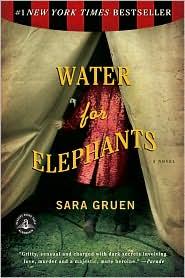
As a young man, Jacob Jankowski was tossed by fate onto a rickety train that …
This was a great read. It had everything: romance, sex, adventure, villains, animals...even a circus! The suspense kept me turning the pages, and the well-researched details gave the story verisimilitude. The only thing that rang a little false was the ending, but I won't give that away.
This was a great read. It had everything: romance, sex, adventure, villains, animals...even a circus! The suspense kept me turning the pages, and the well-researched details gave the story verisimilitude. The only thing that rang a little false was the ending, but I won't give that away.