
Gashunk!
User Profile

I like a wide variety of books but do prefer fiction written with style! I am hoping to get some reading caught up on, including finishing some science fiction and fantasy trilogies, as well as the novels of William Golding and Anthony Powell.
For 2023, I might finally start Proust, what with the new translation being completely available this year!
This link opens in a pop-up window
Orlion's books
User Activity
RSS feed Back
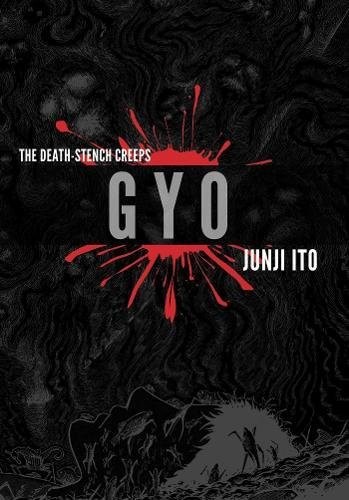
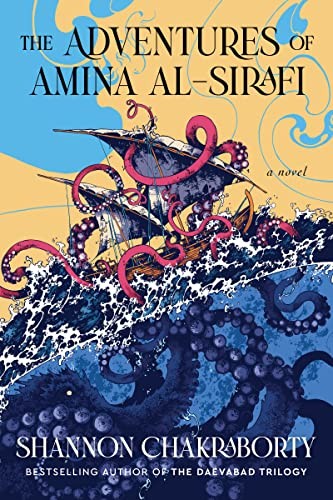
The floating smell of death hangs over the island. What is it? A strange, legged …
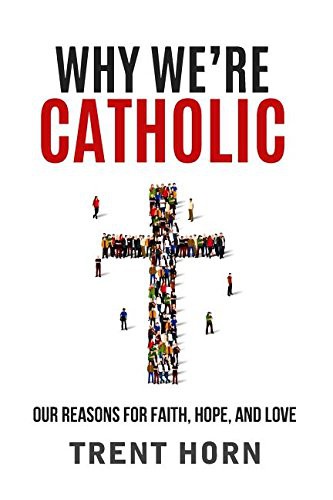
Orlion finished reading Why We're Catholic by Trent Horn
Orlion reviewed Why We're Catholic by Trent Horn
What's this "We" business?
4 stars
One can look at this as a Catholicism 101 and it is best read this way. Trent's purpose is to evangelize, hoping to convert but willing to settle on creating tolerance for the Catholic faith (which, honestly, is a first step to conversion).
For the reader, it gives a broad view of Catholic faith, beliefs and practices. This book, by its apologetic nature, is going to present the basics in as good a light as possible. To Trent's credit, he does not treat the reader like an idiot and mostly succeeds in good faith (guffaw) engagement.
So if you are looking for a readable and short introductory overview of Catholicism, this wouldn't be a bad choice.
One can look at this as a Catholicism 101 and it is best read this way. Trent's purpose is to evangelize, hoping to convert but willing to settle on creating tolerance for the Catholic faith (which, honestly, is a first step to conversion).
For the reader, it gives a broad view of Catholic faith, beliefs and practices. This book, by its apologetic nature, is going to present the basics in as good a light as possible. To Trent's credit, he does not treat the reader like an idiot and mostly succeeds in good faith (guffaw) engagement.
So if you are looking for a readable and short introductory overview of Catholicism, this wouldn't be a bad choice.
Orlion commented on Why We're Catholic by Trent Horn
Part 3 and part 4 deal with some basic mechanics of Catholic belief and organization. It is in part 4 Trent addresses the "first controversial Catholic topic", in addressing the pedophile priest scandal.
The final part will deal with the other basic controversial Catholic beliefs.
Part 3 and part 4 deal with some basic mechanics of Catholic belief and organization. It is in part 4 Trent addresses the "first controversial Catholic topic", in addressing the pedophile priest scandal.
The final part will deal with the other basic controversial Catholic beliefs.
Orlion commented on Tress of the Emerald Sea by Brandon Sanderson
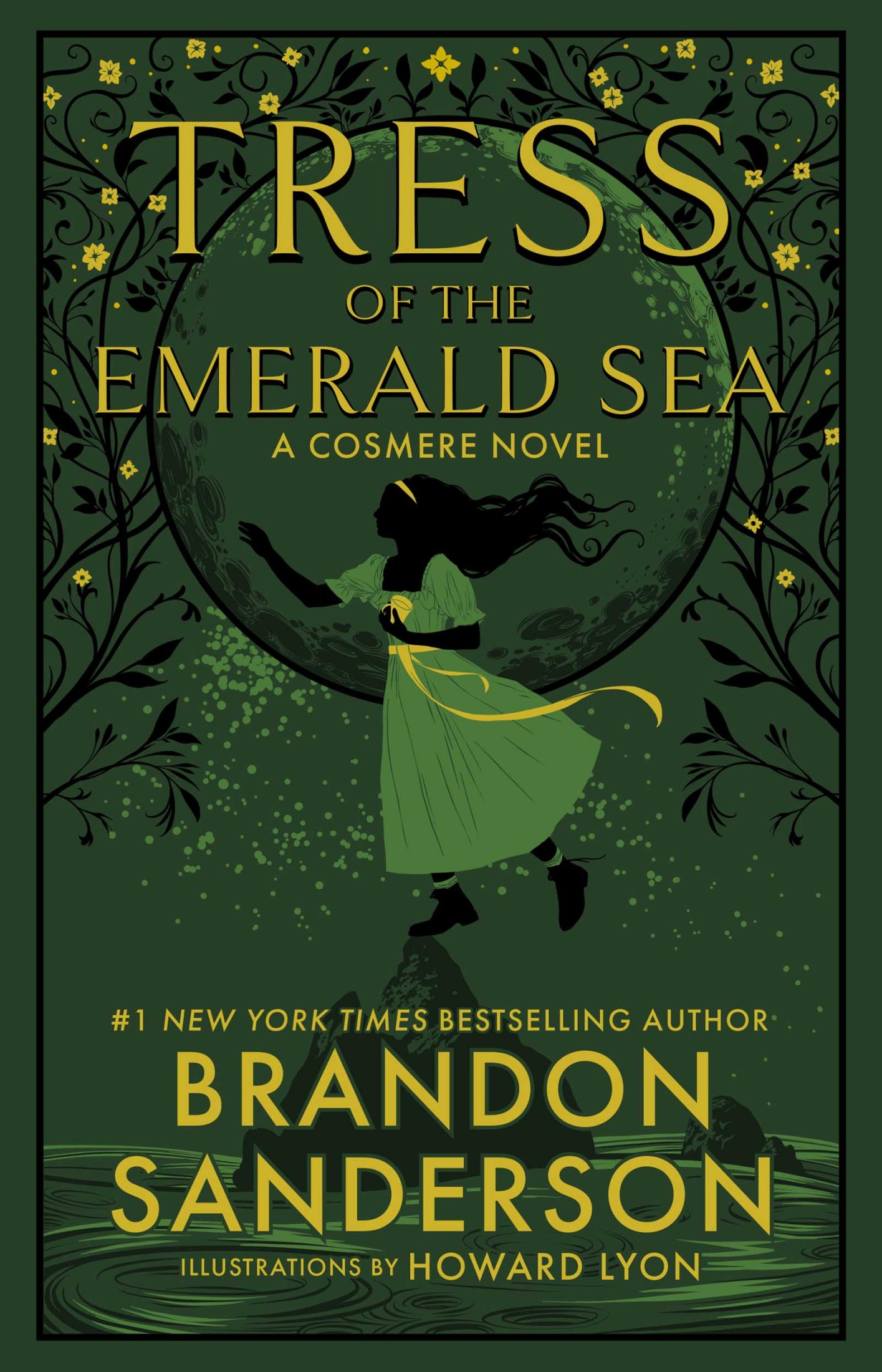
The only life Tress has known on her island home in an emerald-green ocean has …
Yarg, mateys!
Orlion commented on Why We're Catholic by Trent Horn
Part 2: Jesus and the Bible.
As expected, the book continues to funnel down from addressing general atheist/deist questions that may be asked of Catholicism and through the course of this part, narrows it down to questions that may be asked by a Trinitarian Christian. First, Trent tries to go from the general argument for a God to the argument that Jesus is God incarnated into man. These arguments are weak sauce. Next, he gets more specific and defends a Trinitarian view of God. This is much better (provided you ignore the previous step of proving the divinity of Jesus) After that, he goes into why he believes in the Bible but not in Sola Scriptura, which will flow nicely into the next part about the "whys of Catholic church structure"
Part 2: Jesus and the Bible.
As expected, the book continues to funnel down from addressing general atheist/deist questions that may be asked of Catholicism and through the course of this part, narrows it down to questions that may be asked by a Trinitarian Christian. First, Trent tries to go from the general argument for a God to the argument that Jesus is God incarnated into man. These arguments are weak sauce. Next, he gets more specific and defends a Trinitarian view of God. This is much better (provided you ignore the previous step of proving the divinity of Jesus) After that, he goes into why he believes in the Bible but not in Sola Scriptura, which will flow nicely into the next part about the "whys of Catholic church structure"
Orlion commented on Why We're Catholic by Trent Horn
Part 1: Truth and God Pretty much opens up with addressing questions that might be brought up by an atheist or general dontgiveafuck person. Structured to be built upon to funnel from the general "there is God and Truth" to specific claims like "God is the Catholic God" further down the book.
Part 1: Truth and God Pretty much opens up with addressing questions that might be brought up by an atheist or general dontgiveafuck person. Structured to be built upon to funnel from the general "there is God and Truth" to specific claims like "God is the Catholic God" further down the book.
Orlion started reading Why We're Catholic by Trent Horn
Wooo, free book!
Orlion finished reading The Innocence of Father Brown by G. K. Chesterton
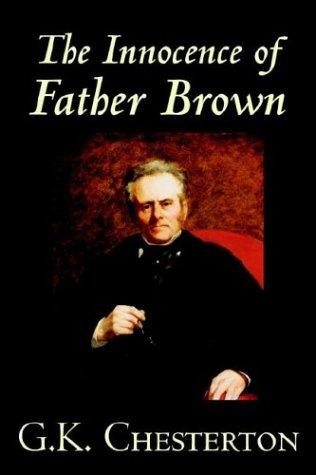
The Innocence of Father Brown by G. K. Chesterton
G.K. Chesterton was an English writer often referred to as "the prince of paradox." Chesterton wrote on a variety of …
Orlion reviewed The Innocence of Father Brown by G. K. Chesterton
G.K. Chesterton was an English writer often referred to as "the prince of paradox." Chesterton …
Welp, I gave Chesterton Another Chance
4 stars
Can't really blame him for my refusal to read him, though. Had a bad experience with a Russian Orthodox constantly invoking him instead of engaging in actual discussion.
But those were almost certainly from Chesterton's apologetic works and this was fiction! Fun detective stories of theft and murder!
All the stories were mostly enjoyable and minimal blackface and n-wording were to be found. Aside from that, Chesterton does seem to try a bit hard to be witty at times and it comes off as...forced? For a specific audience that doesn't think much about atheists, feminists, Scottish Presbyterians and the French? Like if you don't like one of those, you'll laugh when he does his "Calvinists, amirite?" bit and probably slap your knee to help control your hooting and hollering, ya uncultured plebian! Why don't you stick with your fart jokes instead of lying to yourself? You aren't fooling …
Can't really blame him for my refusal to read him, though. Had a bad experience with a Russian Orthodox constantly invoking him instead of engaging in actual discussion.
But those were almost certainly from Chesterton's apologetic works and this was fiction! Fun detective stories of theft and murder!
All the stories were mostly enjoyable and minimal blackface and n-wording were to be found. Aside from that, Chesterton does seem to try a bit hard to be witty at times and it comes off as...forced? For a specific audience that doesn't think much about atheists, feminists, Scottish Presbyterians and the French? Like if you don't like one of those, you'll laugh when he does his "Calvinists, amirite?" bit and probably slap your knee to help control your hooting and hollering, ya uncultured plebian! Why don't you stick with your fart jokes instead of lying to yourself? You aren't fooling anybody, you couldn't recognize wit even if Oscar Wilde slapped you in the face with his giant- cough But I digress!
When it is good, the stories are very entertaining, and if nothing else, folks should read At the Sign of the Broken Sword which is legitimately a masterful piece of literature.
Orlion commented on The Innocence of Father Brown by G. K. Chesterton
G.K. Chesterton was an English writer often referred to as "the prince of paradox." Chesterton …
The Sign of the Broken Sword might be my favorite story in this collection. One more before it's official!
The Sign of the Broken Sword might be my favorite story in this collection. One more before it's official!
G.K. Chesterton was an English writer often referred to as "the prince of paradox." Chesterton …
I am a man and therefore have all devils in my heart.
— The Innocence of Father Brown by G. K. Chesterton (Page 134)
Thus sayeth the priest
G.K. Chesterton was an English writer often referred to as "the prince of paradox." Chesterton …
Few except the poor preserve traditions. Aristocrats live not in traditions but in fashions.
— The Innocence of Father Brown by G. K. Chesterton (Page 122)
Orlion reviewed The Name of the Rose by Umberto Eco (Harvest in translation)
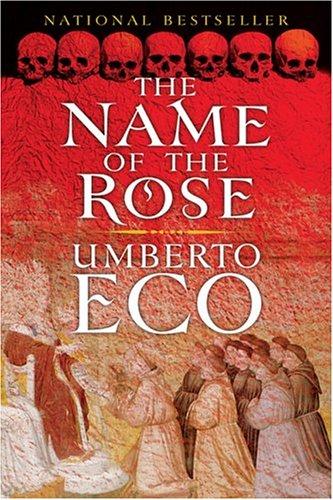
It is the year 1327. Franciscans in an Italian abbey are suspected of heresy, but …
The Name of the Rose is Harold!
5 stars
Big surprise, I loved this book. It was an entertaining yarn with humor and poignancy, insight and farce, accessible mystery and esoteric theology!
It is interesting that I read it now instead of years ago when I bought it. In that time between purchase and reading, I have read other works that prepared me for this!
Some books truly are better further along in one's reading career
Big surprise, I loved this book. It was an entertaining yarn with humor and poignancy, insight and farce, accessible mystery and esoteric theology!
It is interesting that I read it now instead of years ago when I bought it. In that time between purchase and reading, I have read other works that prepared me for this!
Some books truly are better further along in one's reading career