caracabe commented on Gertrude Stein: Writings and Lectures 1909-1945 by Gertrude Stein

This collection of Gertrude Stein’s writing was first published in 1967. The introduction describes Alice B. Toklas as Stein’s “close friend and helper.”

Writer and software engineer in the US Midwest. I enjoy poetry, horror, some f/sf, some mystery, some literary fiction (but not the kind where the main character is a professor and nothing happens).
This link opens in a pop-up window
This collection of Gertrude Stein’s writing was first published in 1967. The introduction describes Alice B. Toklas as Stein’s “close friend and helper.”
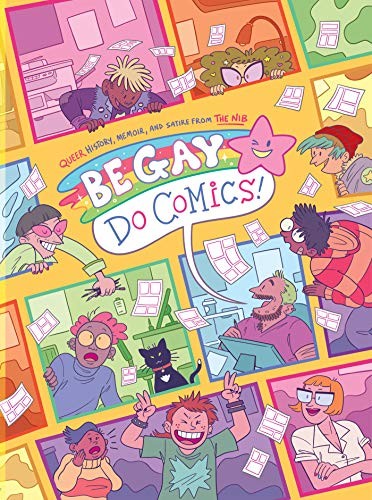
The dream of a queer separatist town. The life of a gay Jewish Nazi fighter. …
With my old eyes, I had to resort to aids to my vision (cell phone camera zoom, magnifying glass) to read parts of this book, either because the lettering was too small or because there wasn’t enough contrast between the text and the background. That’s not a criticism, except perhaps of time itself. The book repaid the effort.
These comics generally fall into three categories: personal, informative, and satirical. The satire is hit or miss, as satire tends to be, sometimes too on-the-nose. The informative pieces are all interesting, whether about history, biography, culture, or medicine. Among the personal narratives, some speak to me directly, making me feel seen and affirmed, and making me cry or laugh or do both at once. Those that don’t affect me with such immediacy, I appreciate for offering me a start at understanding the experiences of people who aren’t like me. They are …
With my old eyes, I had to resort to aids to my vision (cell phone camera zoom, magnifying glass) to read parts of this book, either because the lettering was too small or because there wasn’t enough contrast between the text and the background. That’s not a criticism, except perhaps of time itself. The book repaid the effort.
These comics generally fall into three categories: personal, informative, and satirical. The satire is hit or miss, as satire tends to be, sometimes too on-the-nose. The informative pieces are all interesting, whether about history, biography, culture, or medicine. Among the personal narratives, some speak to me directly, making me feel seen and affirmed, and making me cry or laugh or do both at once. Those that don’t affect me with such immediacy, I appreciate for offering me a start at understanding the experiences of people who aren’t like me. They are also moving.
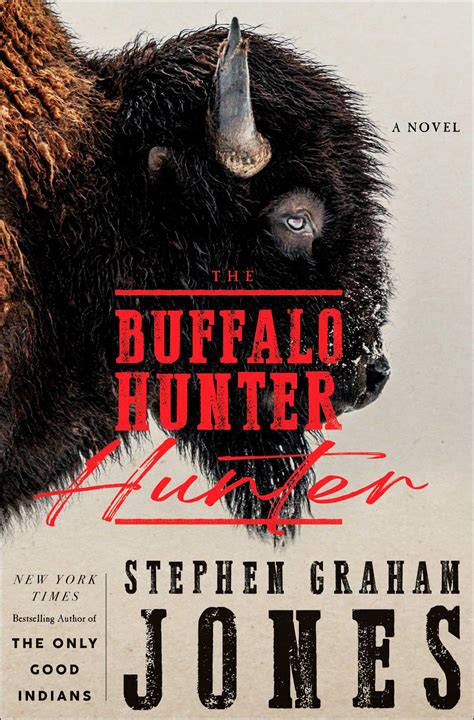
A chilling historical horror novel set in the American west in 1912 following a Lutheran …
This unusual vampire tale takes the form of a story within a story within a story. The embedded narratives span more than a century, but they are all one story, beautifully told. (I noticed one period vocabulary slip-up, but it’s something only a pedant like me would care about.) The characters are complex, and the dueling vampires might not be the most evil among them, not even when they feed on children. Jones creates his own vampire lore, similar to what we know from Stoker and Hollywood but also alien. The Blackfeet terms were challenging for me to keep track of, but that’s not a bad thing. Blackfeet history and culture are central to the story. A tense, eerie, tragic novel, not without wit and humor.
A quick read, 60 small pages with plentiful white space. Some useful ideas, but you have to decide what’s applicable to your own life. Quitting your job because the boss doesn’t respect you is easier if you’re a US-born, non-disabled, white cis man with no dependents than if you’re not all of those things. (I don’t know how many of those things are true of Gnade. He looks like a white guy in the author photo.) But Gnade doesn’t claim to bring universal truth. This book is very much “Here’s what works for me, maybe it can help you.”
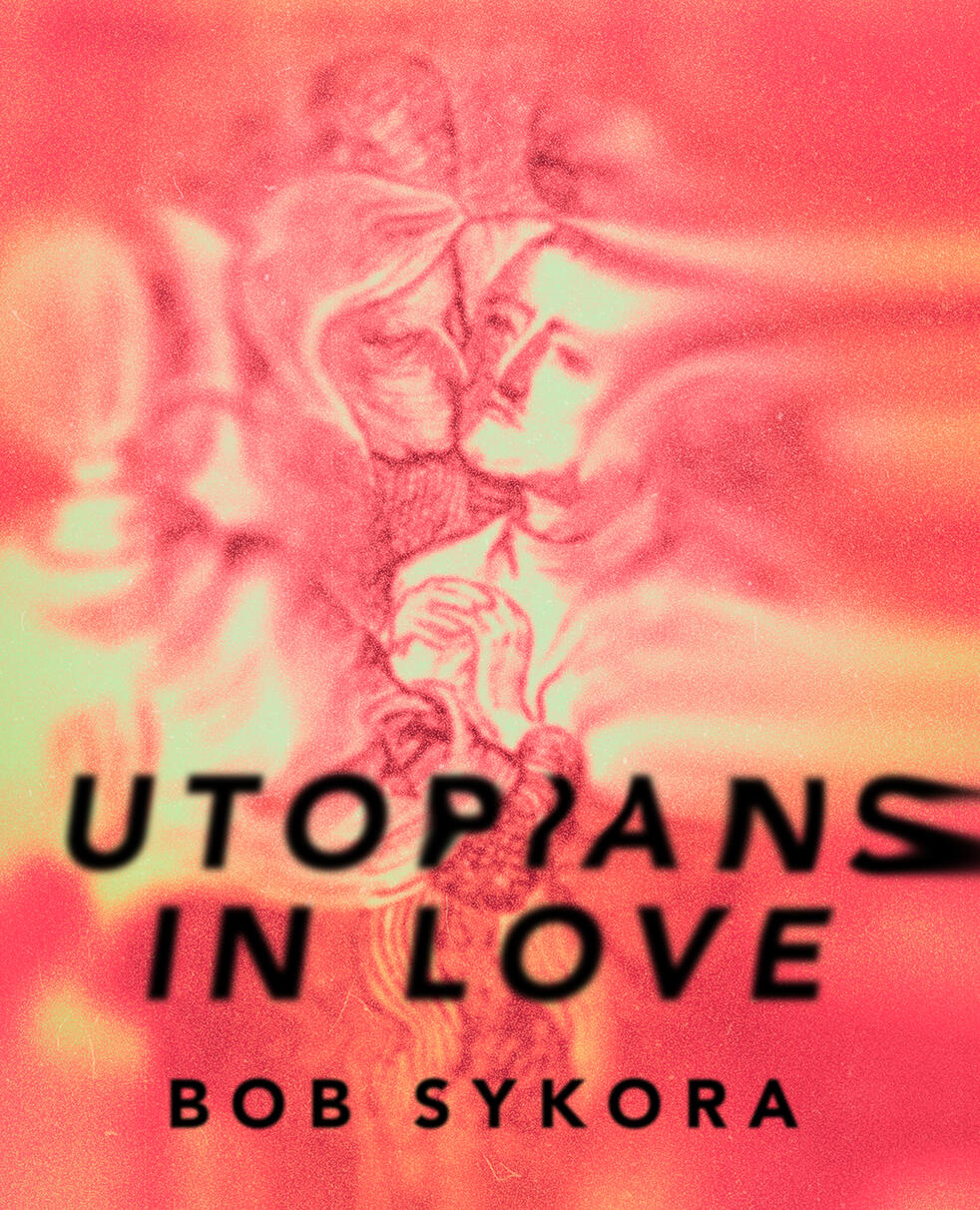
The poems in Bob Sykora's debut collection, Utopians in Love, travel back and forth through …
Disclosure: I’m personally acquainted with Bob Sykora. We’re both on the committee for the Riverfront Readings series.
That said, I really enjoyed this book. Partly that’s because the author and I seem to share some interests (American Transcendentalism, surrealism, utopian thought), but mostly it’s because these are good poems, with heart and wit and many lines I wish I had written. The theme here is the human longing for a perfect world (society, relationship, self) we never manage to find or make.

This book isn’t titled How to Bring Down a Dictator. It’s also not How to Safely Stand Up to a Dictator. Ressa doesn’t guarantee success or safety, and she doesn’t pretend that resistance is easy. This is a memoir by a member of a profession (journalism) that’s targeted by authoritarian regimes. The application of Ressa’s life lessons is largely left as an exercise for the reader. The book is a call to arms, not a field manual, but it is filled with important information, principles, and strategies.

Two sisters hunt down killers and collect body parts, all the while complicating their lives …
This could best be described, I think, as cozy cosmic horror. I’m continually amazed by Jeremy C. Shipp’s imagination. Hard to review without spoilers, but if you find yourself transfixed by a desiccated eyeball in someone’s hand, you probably brought it on yourself.
To be honest I’ve been reluctant to read this book because I’ve seen such praise for it, that I was afraid it wouldn’t live up to its reputation. But Tananarive Due has never disappointed me yet. Characters to care about, in a suspenseful and poignant story. Just to complicate things for the main characters, who already are dealing with angry ghosts, a psychopathic warden, and the Klan, they also have to manage well-meaning allies who don’t believe in spirits or who do believe in the fairness of the justice system.
To be honest I’ve been reluctant to read this book because I’ve seen such praise for it, that I was afraid it wouldn’t live up to its reputation. But Tananarive Due has never disappointed me yet. Characters to care about, in a suspenseful and poignant story. Just to complicate things for the main characters, who already are dealing with angry ghosts, a psychopathic warden, and the Klan, they also have to manage well-meaning allies who don’t believe in spirits or who do believe in the fairness of the justice system.
I know the author so I’m biased, but if I didn’t think this book was worth your while I just wouldn’t say anything. Topics in these poems include motherhood, daughterhood, nature, passion, and social constraints.
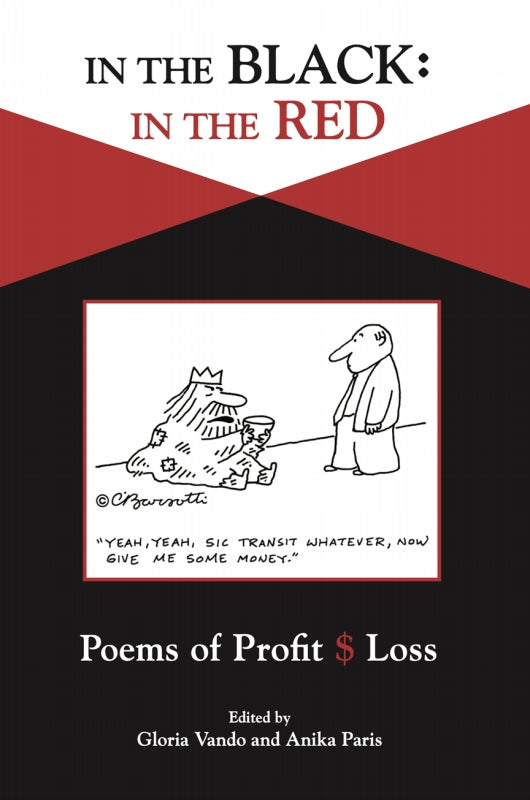
In the Black: In the Red: Poems of Profit $ Loss (2025) is an illustrated …
Since I have a poem in this anthology, and a few of my friends have poems in this anthology, I can’t give it an unbiased review. But if you like poetry and you’re on the left politically, I think you’d enjoy this book.
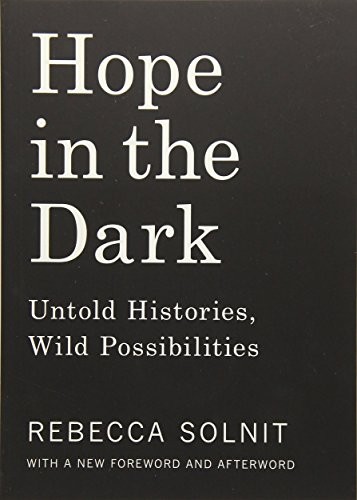
It would be easy to take discouragement from this book that argues for radical hope. It was first published in 2004 and reissued with added material in 2016. Those times were bright compared to today, and the despair we felt back then seems almost quaint. Some of the victories Solnit encourages us to remember have since been taken away, and others, such as gay marriage, are endangered. Some of the groups and movements she praises have dwindled or disappeared. But as Solnit reminds us, nothing is permanent. Even a temporary victory makes a difference, and things can change as suddenly and surprisingly for the better as for the worse. New movements appear, tactics change. “It’s always too soon to go home. And it’s always too soon to calculate effect.”
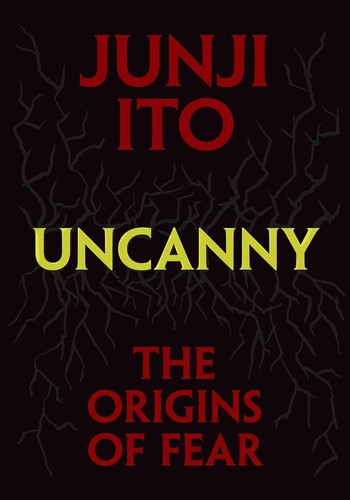
For the first time since his debut 35 years ago, horror master Junji Ito reveals …
Part memoir and part “this is how I work(or at least how I think I work),” this book is fascinating and, for someone who creates things, inspiring and useful. I’ll refer repeatedly to Ito’s explanations of how he develops his initial ideas. (The phrase in quotation marks above is a paraphrase, not a direct quote.)
Part memoir and part “this is how I work(or at least how I think I work),” this book is fascinating and, for someone who creates things, inspiring and useful. I’ll refer repeatedly to Ito’s explanations of how he develops his initial ideas. (The phrase in quotation marks above is a paraphrase, not a direct quote.)
In The old Ambassador and Other Poems, Wayne Courtois gives the reader a sense of …
Lyrical and inventive, by turns (or sometimes simultaneously) witty, angry, and tender, these poems about living and aging and loving as a gay man in the US Midwest speak to everyone who has a body and feelings.
In The old Ambassador and Other Poems, Wayne Courtois gives the reader a sense of …
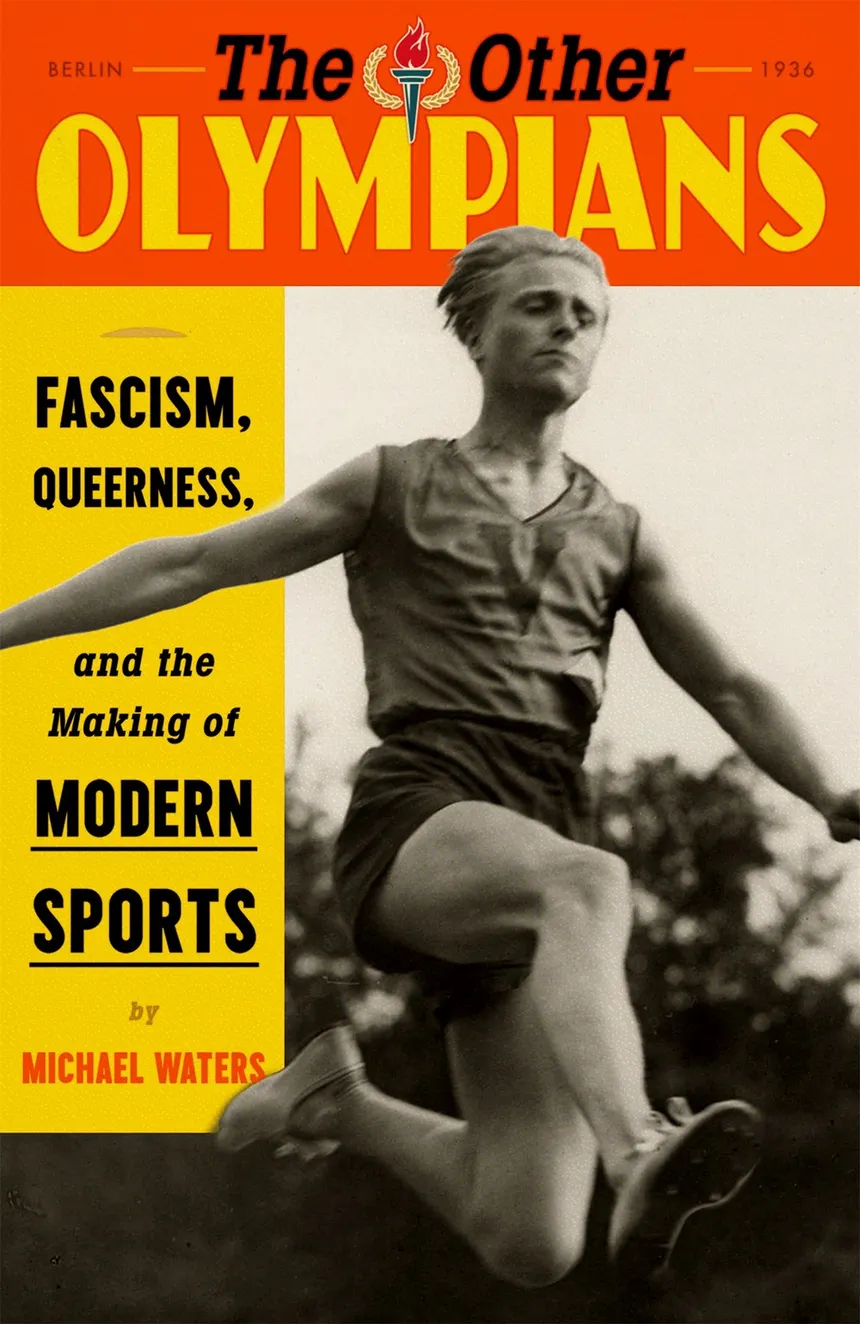
This thoughtful, sensitively written, and sensible book is especially important now, when people who don’t fit simplistic gender stereotypes are again being targeted and scapegoated. It’s a reminder that gender policing is Nazi ideology in practice.