

Matthew Campbell rated The sandman: 4 stars
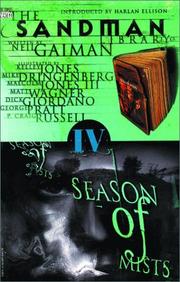
The sandman by Neil Gaiman (Sandman, Book 4)
The Sandman is a comic book series written by Neil Gaiman and published by DC Comics / Vertigo. This book …

I’m a software engineer, artist, reader, and curious-about-everything generalist.
This link opens in a pop-up window
The Sandman is a comic book series written by Neil Gaiman and published by DC Comics / Vertigo. This book …
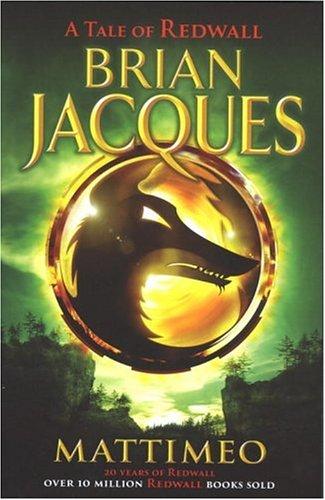
Slagar the fox hated Redwall Abbey - its peaceable creatures, its fearless mouse warrior Matthias. He blamed Matthias for the …
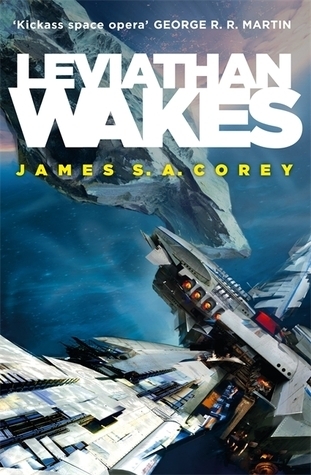
Humanity has colonized the solar system—Mars, the Moon, the Asteroid Belt and beyond—but the stars are still out of our …
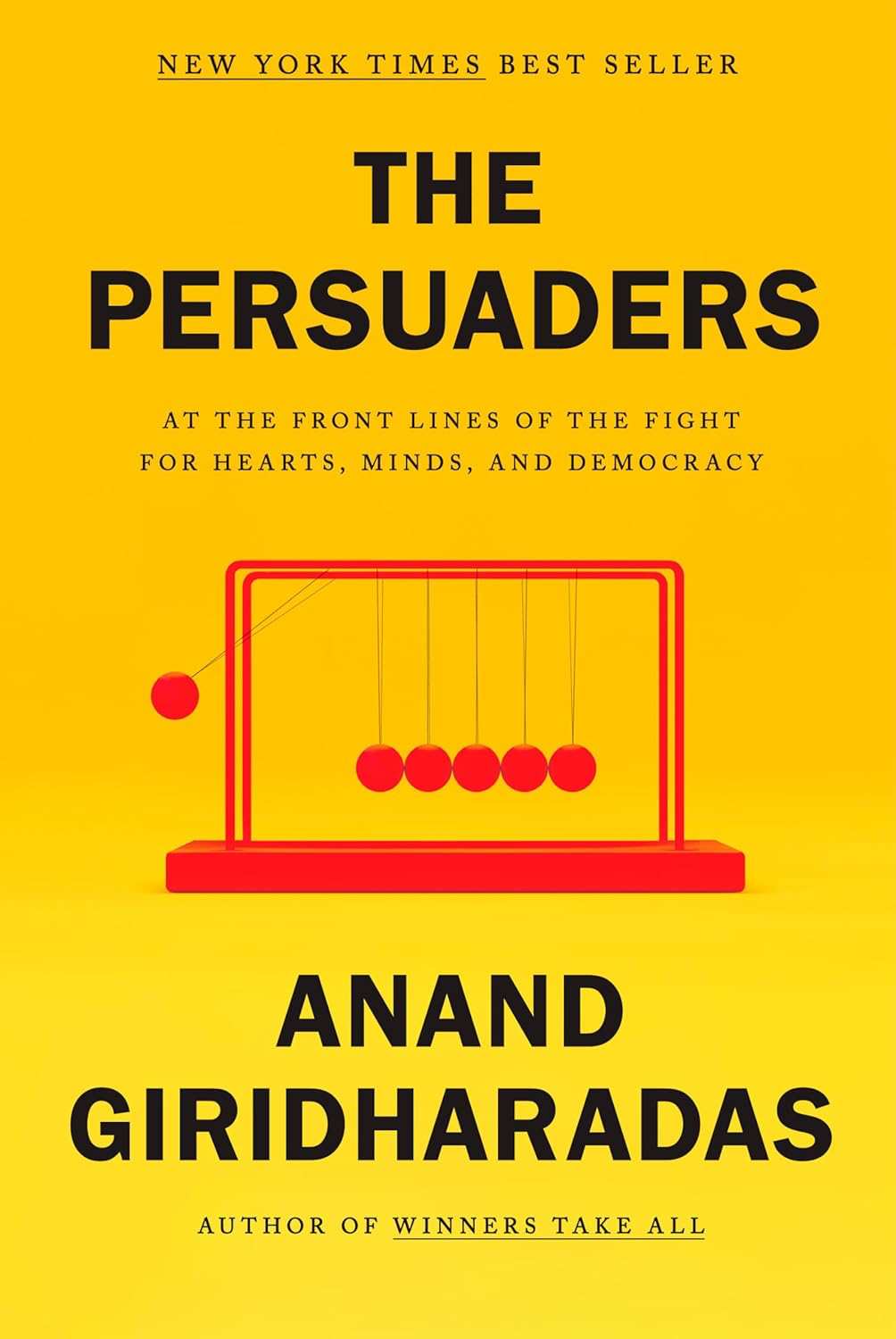
The lifeblood of any free society is persuasion: changing other people’s minds in order to change things. But America is …
From an extraordinary new voice in fantasy comes the stunning conclusion to the Farseer trilogy, as FitzChivalry confronts his destiny …
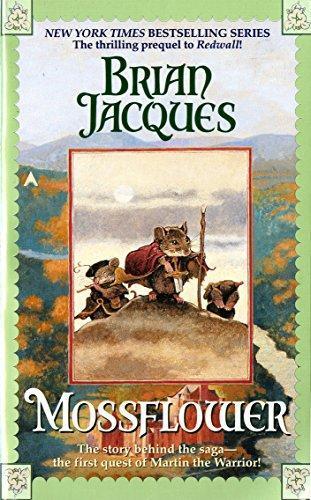
Mossflower is a fantasy novel by Brian Jacques, published in 1988. It is the second book published and third chronologically …
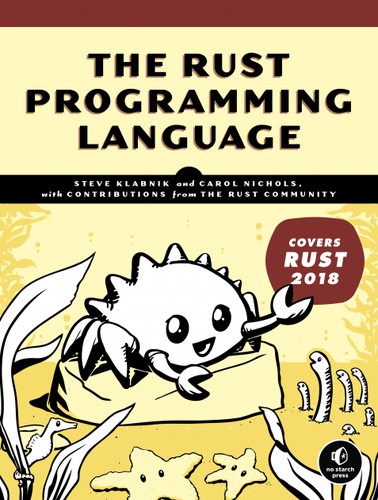
The official book on the Rust programming language, written by the Rust development team at the Mozilla Foundation, fully updated …
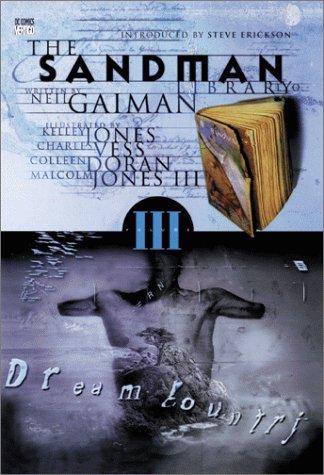
The Sandman is a comic book series written by Neil Gaiman and published by DC Comics / Vertigo. This book …
I enjoyed parts of the is book, and I really wanted to love the whole of it. I really love the meandering rabbit-hole filled discussion of technical topics, and I don’t have a systems programming background so I was excited to learn more than just Rust here.
Unfortunately, I feel like some of the chapters and their projects landed much better than others. Building a chip8 emulator was really strong and the topics covered felt like the projects really nailed home some low level systems topics. But others like the clocks and timing chapter missed for me, and I’m not sure I understand NTP or time-keeping or any better than I did to start. I think chapters like the latter teach you to work with a specific framework or library implementation, and so the details talked about and hinted at but never shown actually take away from learning the core …
I enjoyed parts of the is book, and I really wanted to love the whole of it. I really love the meandering rabbit-hole filled discussion of technical topics, and I don’t have a systems programming background so I was excited to learn more than just Rust here.
Unfortunately, I feel like some of the chapters and their projects landed much better than others. Building a chip8 emulator was really strong and the topics covered felt like the projects really nailed home some low level systems topics. But others like the clocks and timing chapter missed for me, and I’m not sure I understand NTP or time-keeping or any better than I did to start. I think chapters like the latter teach you to work with a specific framework or library implementation, and so the details talked about and hinted at but never shown actually take away from learning the core Rust features of the chapter (and those features would benefit from a more direct discussion as a result)
There are a handful of creative diagrams, illustrations, and figures and like the other content these help sometimes and end up a nonsensical distraction other times.
I’d have trouble recommending this whole book, but I’d definitely encourage folks to read bits and pieces that interest them alongside deeper discussion of Rust topics elsewhere.
The sequel to Howl's Moving CastleWhen Charmain Baker agreed to look after her great-uncle's house, she thought she was getting …
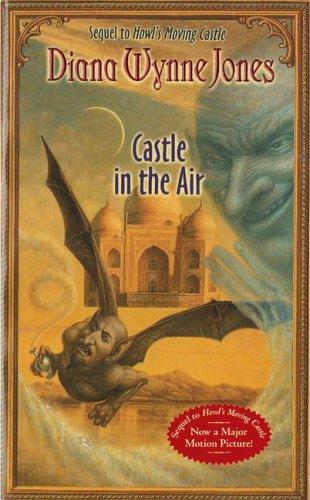
Having long indulged himself in daydreams more exciting than his mundane life as a carpet merchant, Abdullah unexpectedly purchases a …