
Vidya Sagar reviewed Gitanjali by Rabindranath Tagore
Review of 'Gitanjali' on 'Goodreads'
5 stars
Found some gems here ♥️
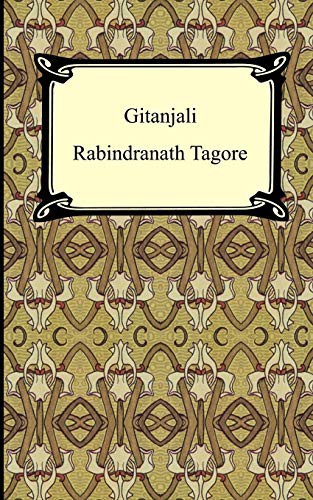
Paperback, 80 pages
Published Jan. 1, 2005 by Digireads.com.
Found some gems here ♥️
The writing is rhapsodic and filled with longing, but I never could tell from the book itself who the 'lord' the speaker of these songs was addressing so I was handicapped from lack of context. There is a great attachment by the soul of the one speaking to this divine figure described in vivid and inventive ways, sometimes mixing three or four metaphors within a single lyric, but I am pretty sure I would have been able to feel the sentiments more if I had a clue as to what tradition if any the poems were situated within, which seems like a pity. The foreword by William Butler Yeats did not explain much about this, so I have only been able to learn what I could find from reference material online unfortunately.
From what I can tell, these poems were translated into English by Rabindranath Tagore himself, using the kind …
The writing is rhapsodic and filled with longing, but I never could tell from the book itself who the 'lord' the speaker of these songs was addressing so I was handicapped from lack of context. There is a great attachment by the soul of the one speaking to this divine figure described in vivid and inventive ways, sometimes mixing three or four metaphors within a single lyric, but I am pretty sure I would have been able to feel the sentiments more if I had a clue as to what tradition if any the poems were situated within, which seems like a pity. The foreword by William Butler Yeats did not explain much about this, so I have only been able to learn what I could find from reference material online unfortunately.
From what I can tell, these poems were translated into English by Rabindranath Tagore himself, using the kind of poetic diction I associate with the early nineteenth century or earlier. As such, I could not tell for sure whether the original Bengali verses also used this sort of high language here which addresses the deeply desired lord as "thou" and uses constructions quite far from the modern vernacular. It was hard not to be reminded of works which emphasized the exoticness of Orient, except that instead of talking about palaces and riches the subject matter was mostly down to earth. I will read the reviews here by other readers who are more knowledgeable about this work to try to learn more about what this is, because through it all, I could sense that there was something important and striking I would dearly love to grasp.