
Mayobrot quoted Braiding Sweetgrass by Robin Wall Kimmerer
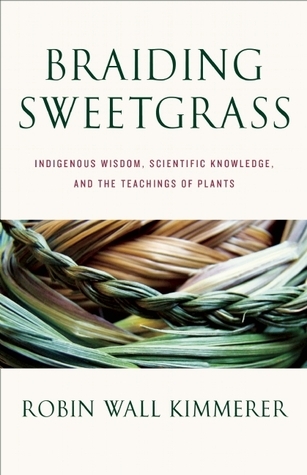
As a botanist, Robin Wall Kimmerer has been trained to ask questions of nature with …
Lewis Hyde wonderfully illustrates this dissonance in his exploration of the "Indian giver." This expression, used negatively today as a pejorative for someone who gives something and then wants to have it back, actually derives from a fascinating cross-cultural misinterpretation between an indigenous culture operating a gift economy and a colonial culture predicated on the concept of private property. When gifts were given to the settlers by the Native inhabitants, the recipients understood that they were valuable and were intended to be retained. Giving them away would have been an affront. But the indigenous people understood the value of the gifts to be based on in reciprocity and would be affronted if the gifts did not circulate back to them. Many of our ancient teachings counsel that whatever we have been given is supposed to be given away again.
From the viewpoint of a private property economy, the "gift" is deemed to be "free" because we obtain it free of charge, at no cost. But in the gift economy, gifts are not free. The essence of the gift is that it creates a set of relationships. The currency of a gift economy is, at its root, reciprocity. In Western thinking, private land is understood as to be a "bundle of rights", whereas in a gift economy property has a "bundles of responsibilities" attached.
— Braiding Sweetgrass by Robin Wall Kimmerer (Page 27)