
The Mad Codger finished reading Somewhere Beyond the Sea by T. J. Klune
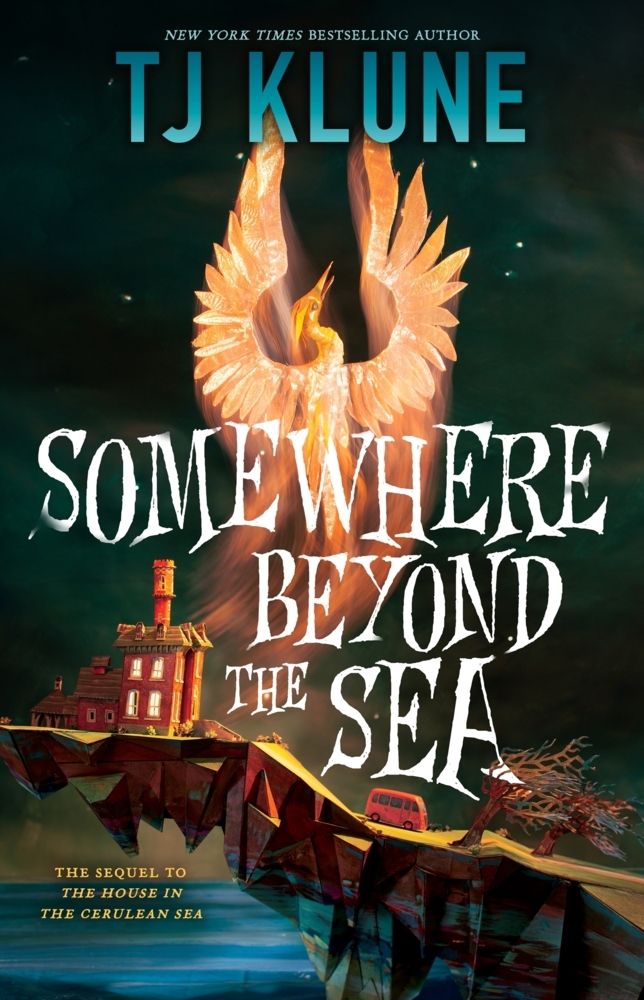
Somewhere Beyond the Sea by T. J. Klune
Somewhere Beyond the Sea is the hugely anticipated sequel to TJ Klune’s The House in the Cerulean Sea, one of …

Un Dorian Gray sin pasado, ni patria ni bandera.
I'm just a guy who likes to go on adventures, literary or otherwise. I mostly read fantasy, sci-fi, and/or litrpg.
@madcodger@calckey.world on Mastodon.
This link opens in a pop-up window
Somewhere Beyond the Sea is the hugely anticipated sequel to TJ Klune’s The House in the Cerulean Sea, one of …
Somewhere Beyond the Sea is the hugely anticipated sequel to TJ Klune’s The House in the Cerulean Sea, one of …
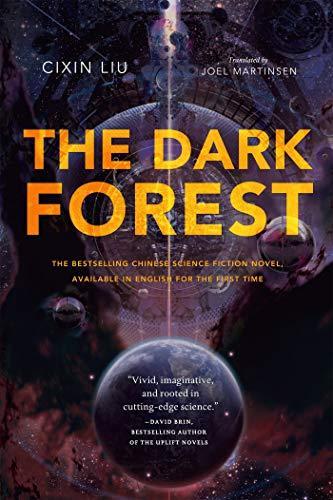
"With the scope of Dune and the rousing action of Independence Day, this near-future trilogy …
Maybe it was because I had seen the series before reading the first, but this one in had too much trouble getting into.
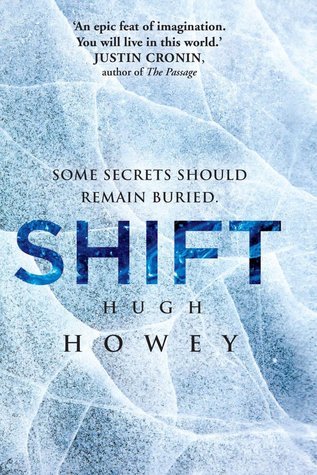
In a future less than 50 years away, the world is still as we know …
Started because of the Apple series. Someone told me the first was best and then it went downhill, but I actually liked the second one better.
In a future less than 50 years away, the world is still as we know it. Time continues to tick …

A magical island. A dangerous task. A burning secret.
Linus Baker leads a quiet, …
Reread it because of the sequel and because I remembered really liking it. It holds up and feels like a warm hug.
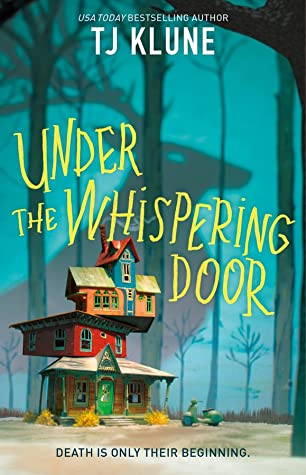
Welcome to Charon's Crossing. The tea is hot, the scones are fresh, and the dead …
I loved House on the Cerulean Sea, but this one was just okay. Nothing bad about it per se, but it just wasn't as captivating for me as the other.
I loved House on the Cerulean Sea, but this one was just okay. Nothing bad about it per se, but it just wasn't as captivating for me as the other.
Welcome to Charon's Crossing. The tea is hot, the scones are fresh, and the dead are just passing through.
…

Faster than light travel is impossible--until the discovery of The Flow, an extradimensional field available …
Loved Old Man's War series up to a certain point, figure this would be a good option.
Loved Old Man's War series up to a certain point, figure this would be a good option.
Welcome to Charon's Crossing. The tea is hot, the scones are fresh, and the dead are just passing through.
…
The Mad Codger
boosted
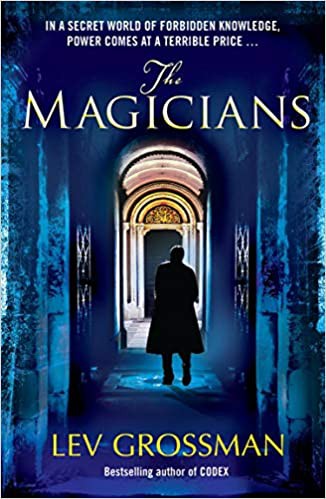
A thrilling and original coming-of- age novel about a young man practicing magic in the …
So. Storytime. In my country, children are separated into different high schools at twelve years old, based on academical aptitude. At the highest level, there are two types of school, gymnasium and atheneum, with the only difference being that at a gymnasium they also teach Greek and Latin. That's the one I went to (not bragging, I was a very mediocre student). As you might imagine, the type of twelve-year old that chooses to go to a gymnasium usually isn't just smart, but also very driven to prove themselves academically. Many of us staked a lot of our self-esteem on our intelligence, especially if we didn't have a lot else going on, like also being athletic or socially gifted. We were all kind of used to being the smartest kid in the room, and then suddenly we weren't. Worse, there were always a couple of stand out, near genius level …
So. Storytime. In my country, children are separated into different high schools at twelve years old, based on academical aptitude. At the highest level, there are two types of school, gymnasium and atheneum, with the only difference being that at a gymnasium they also teach Greek and Latin. That's the one I went to (not bragging, I was a very mediocre student). As you might imagine, the type of twelve-year old that chooses to go to a gymnasium usually isn't just smart, but also very driven to prove themselves academically. Many of us staked a lot of our self-esteem on our intelligence, especially if we didn't have a lot else going on, like also being athletic or socially gifted. We were all kind of used to being the smartest kid in the room, and then suddenly we weren't. Worse, there were always a couple of stand out, near genius level students who were really only in that school because there wasn't anywhere higher for them to go to. So, what you get, is an entire school full of teenagers all simultaneously realising that the one trait they thought gave them value isn't actually all that special, while also dealing with the hormonal hell that is puberty.
Basically, what I'm saying is, I knew a lot of Quentins. Quite frankly, I was Quentin at times. I related very heavily to his character and really empathized with his struggles. Not because I thought his self-absorption, entitlement and disgust with mundanity were justified, but because I so deeply understood the insecurities those traits all stemmed from. I've been there, man.
And then I went online and found out that many readers absolutely hated his character and his personality ruined the books for them.
Well.
Always good to get an outside perspective.
But yeah, I really loved this book. Most of the characters are all kind of assholes with few redeeming traits (they get better in the sequels!) and magic isn't the fun escapism it usually is. It's an excellent deconstruction of both the worlds Hogwarts and Narnia present, which I honestly think is worthwhile for all fantasy fans to kind of ruminate on. Why do we so badly want to be whisked away to a school for special people with special powers that they very pointedly do not share with the rest of the world? Why do we want to live in a parallel world where we get to be kings and queens, and close personal friends with Jesus? We're not bad people for having these fantasies of being special and amazing, they're pretty much universal. But they're also something you need to let go of at a certain point in order to be happy as what you most likely are; an ordinary person with just as much of a right to rule a kingdom as anyone else. Taken as a whole, the series is a manifesto on the necessity of finding value in the life that exists when the adventure is over, to be happy with stability and mundanity, because nothing is so special you don't ultimately get used to it, and you can't find life satisfaction in continuing to chase the next big thrill. Satisfaction is not about getting everything you ever wanted, but about how to stop wanting when you have enough, which is what takes so long for Quentin to fully understand.
In a ruined and toxic landscape, a community exists in a giant silo underground, hundreds of stories deep. In a …
It’s bad enough waking up in a half-destroyed evil wizard’s workshop with no eyebrows, no …
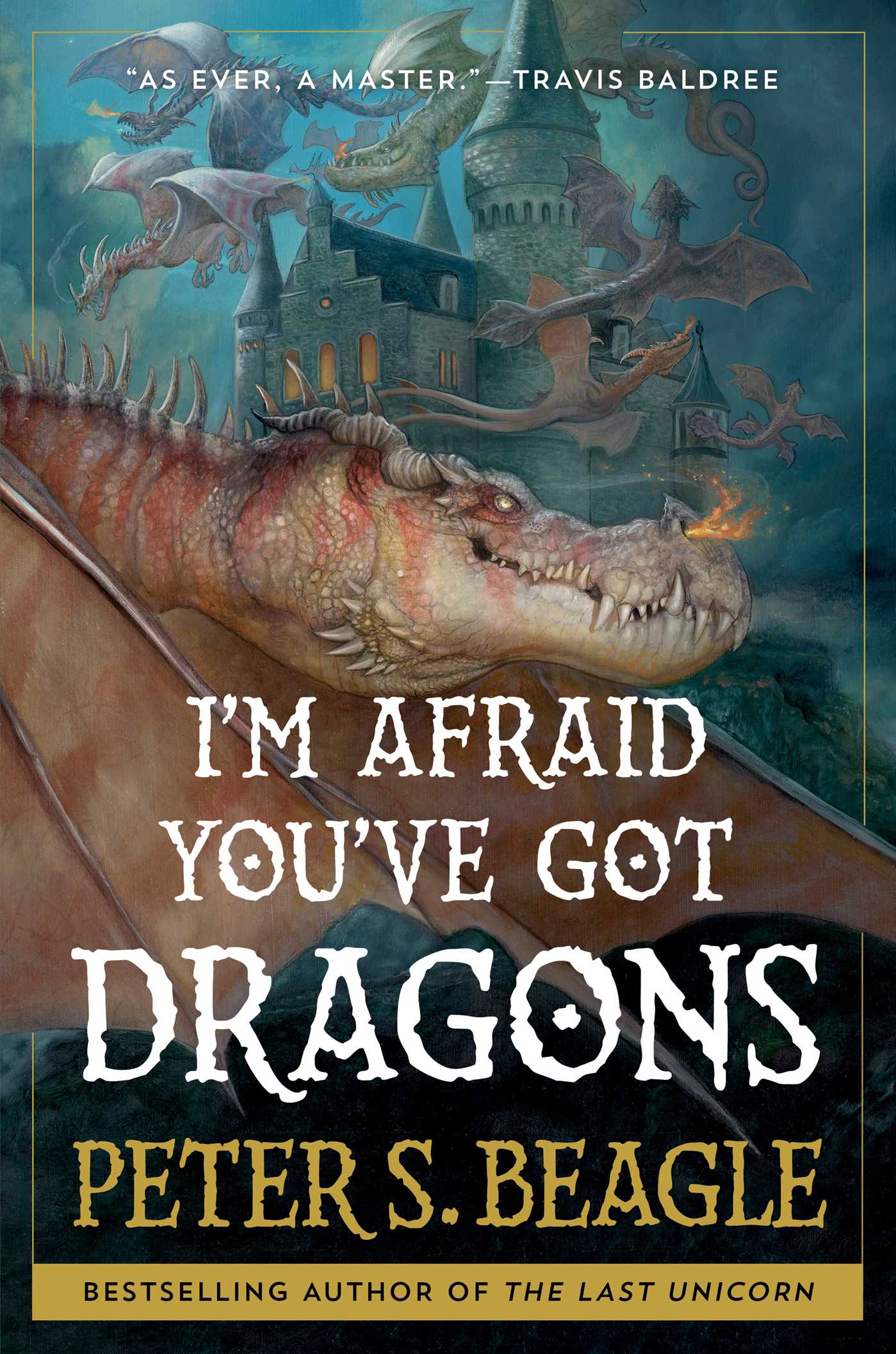
A dark wizard wakes up with his memories missing, a captured princess, and a castleful of goblins working for him. From here he has to discover who he was and who he wants to be. It was an enjoyable read and I love a decent antihero story.