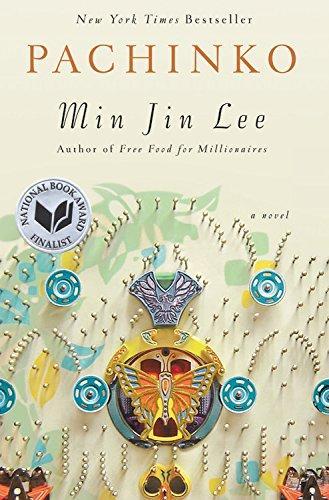

KnitAFett reviewed Pachinko by Min Jin Lee
This one disappointed me.
2 stars
Very light spoiler that pertains to the progression of the book
I did really enjoy the view of history that I've not seen covered in a book before. I got through the first part pretty quickly due to not wanting to put the book down. But then it just started dragging. I was avoiding reading because I didn't want to be reminded that I had this on my phone waiting to be finished.
SPOILERISH I also got to the point that my first though when being introduced to a new character was "ok and how long until they die?" END SPOILERISH
This should have been a DNF for me, but I'm still going to give it 2 stars because I really did appreciate Min Jin Lee bringing forward the racism and disparity that Koreans faced during that time. I cannot begin to fathom leaving your birth country …
Very light spoiler that pertains to the progression of the book
I did really enjoy the view of history that I've not seen covered in a book before. I got through the first part pretty quickly due to not wanting to put the book down. But then it just started dragging. I was avoiding reading because I didn't want to be reminded that I had this on my phone waiting to be finished.
SPOILERISH I also got to the point that my first though when being introduced to a new character was "ok and how long until they die?" END SPOILERISH
This should have been a DNF for me, but I'm still going to give it 2 stars because I really did appreciate Min Jin Lee bringing forward the racism and disparity that Koreans faced during that time. I cannot begin to fathom leaving your birth country and then have no country want to claim you as a citizen.
I just wish some of the parts would have been slimmed down a little more.