

aura finished reading Nona the Ninth by Tamsyn Muir (The Locked Tomb, #3)
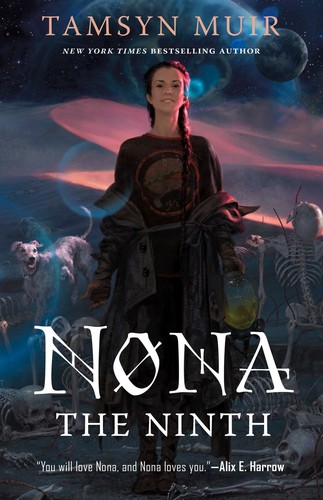
Nona the Ninth by Tamsyn Muir (The Locked Tomb, #3)
Her city is under siege. The zombies are coming back. And all Nona wants is a birthday party. In many …

A cliché French nerd: I mostly read sci-fi, sociology and politics.
Interact in French or English. Comment language is either English or French depending on the book.
Mastodon account: toot.aquilenet.fr/web/@rhapsodos
Subscriber of solarpunk magazine, if you want to have a look: solarpunkmagazine.com/
This link opens in a pop-up window
23% complete! aura has read 7 of 30 books.
Her city is under siege. The zombies are coming back. And all Nona wants is a birthday party. In many …
@whatanerd@bookwyrm.social I had a lot of issues with this book as well, glad to see I'm not the only one. bell hooks is very defensive against lesbians, and assumes that women wants to love men (even through abuse). This view of the problem is psychologizing and, to some extend, encroaches patriarchy.
@whatanerd@bookwyrm.social I had a lot of issues with this book as well, glad to see I'm not the only one. bell hooks is very defensive against lesbians, and assumes that women wants to love men (even through abuse). This view of the problem is psychologizing and, to some extend, encroaches patriarchy.
aura
boosted
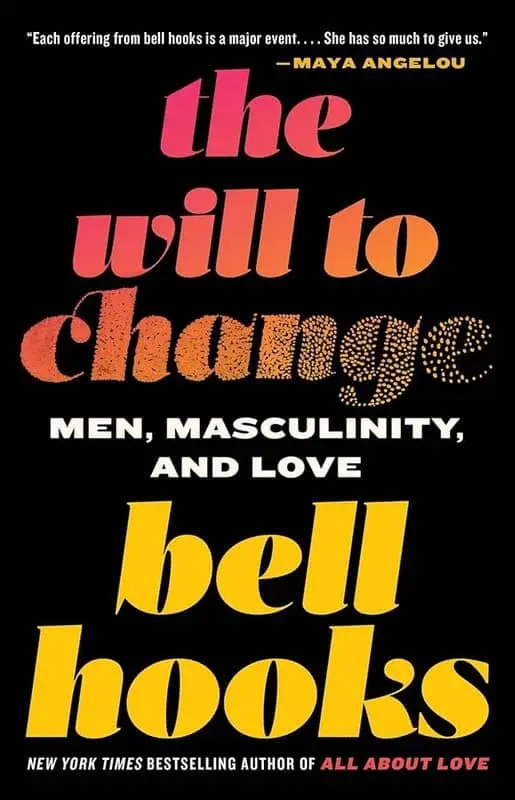
Feminist writing did not tell us about the deep inner misery of men.
Everyone …
Chapter 9 makes me want to throw the book, except I'm reading an ebook on my computer... so I don't think I should do that.
A few parts of this chapter are completely recognisable to me, and that's because they are parts that I've seen both abusive radical men (such as a certain anarcho-celebrity) and Men's Rights Activists referencing... as a way to avoid taking responsibility for their own actions. You see, it's because:
Many men in our society have no status, no privilege; they receive no freely given compensation, no perks with capitalist patriarchy.
Which is bullshit, even if you buy in to the logic of what she's saying. It's bullshit because it doesn't matter if they "don't have status." Cis men (because, let's face it, she's not here talking about any other kind of men) hold status over people of marginalised genders; though …
Chapter 9 makes me want to throw the book, except I'm reading an ebook on my computer... so I don't think I should do that.
A few parts of this chapter are completely recognisable to me, and that's because they are parts that I've seen both abusive radical men (such as a certain anarcho-celebrity) and Men's Rights Activists referencing... as a way to avoid taking responsibility for their own actions. You see, it's because:
Many men in our society have no status, no privilege; they receive no freely given compensation, no perks with capitalist patriarchy.
Which is bullshit, even if you buy in to the logic of what she's saying. It's bullshit because it doesn't matter if they "don't have status." Cis men (because, let's face it, she's not here talking about any other kind of men) hold status over people of marginalised genders; though there are aspects of this that are largely dependent upon context, as a general statement... it's not hard to find examples, even across social classes. (If we add in things like race or sexuality or disability... It obviously is going to complicate things quite a bit in the discussion, and even hooks isn't really dealing with anything beyond a straight gender binary here.)
But why would men behave in ways that support patriarchy if they got nothing out of it? They perceive their status as superior (or that it should be superior, and this is how they access that superiority), they recognise that they get some degree of privilege by following that social structure... Maybe they're not being given better jobs all the time, but they're still getting some kind of privilege that they feel they benefit from.
If there was nothing gained (even a perception of something gained), there would be no functional logic for why patriarchy still exists. It's illogical to claim this.
There's also this bit that makes me feel like I'm kind of losing my mind:
I am always disturbed when male students request references to literature that will serve as a guide as they struggle to interrogate patriarchy and create progressive identities, because there is so little literature to offer them. By contrast, I can offer countless references to any female student who tells me she is trying to critically understand and change sexist female roles. There needs to be more feminist work that specifically addresses males. They need feminist blueprints for change.
I am not opposed to more feminist literature discussing masculinity, but I will say that this book is not that. It further entrenches masculinity in a lot of ways (whether she cared to recognise that or not), and it does not feel very feminist (especially with all the weird people she decides to quote as her minimal "proof," and all of them are anything but feminists).
But let me ask, why is it that yet again men are unable to understand texts unless they are catered to? Can men not read things that discuss gender roles and extrapolate to themselves? Are they only able to understand things when we directly address their needs perfectly? Can they not critically analyse the texts they are suggested and then see how it relates to themselves?
I find this truly baffling. There is such a repetitive notion of maintaining what feels like men needing perpetual mothering. No one else seems to need things to always be catered to them, but men seem uniquely positioned to be incapable of understanding anything unless we make everything easy for them to identify with.
That feels insulting rather than—as bell hooks keeps implying her work to be—"visionary."
Also, not a fan of the huge right turn into spiritualism and religiosity at the end.
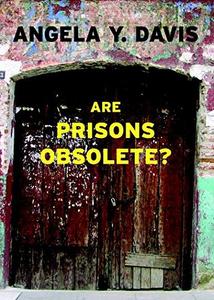
With her characteristic brilliance, grace and radical audacity, Angela Y. Davis has put the case for the latest abolition movement …
With her characteristic brilliance, grace and radical audacity, Angela Y. Davis has put the case for the latest abolition movement …
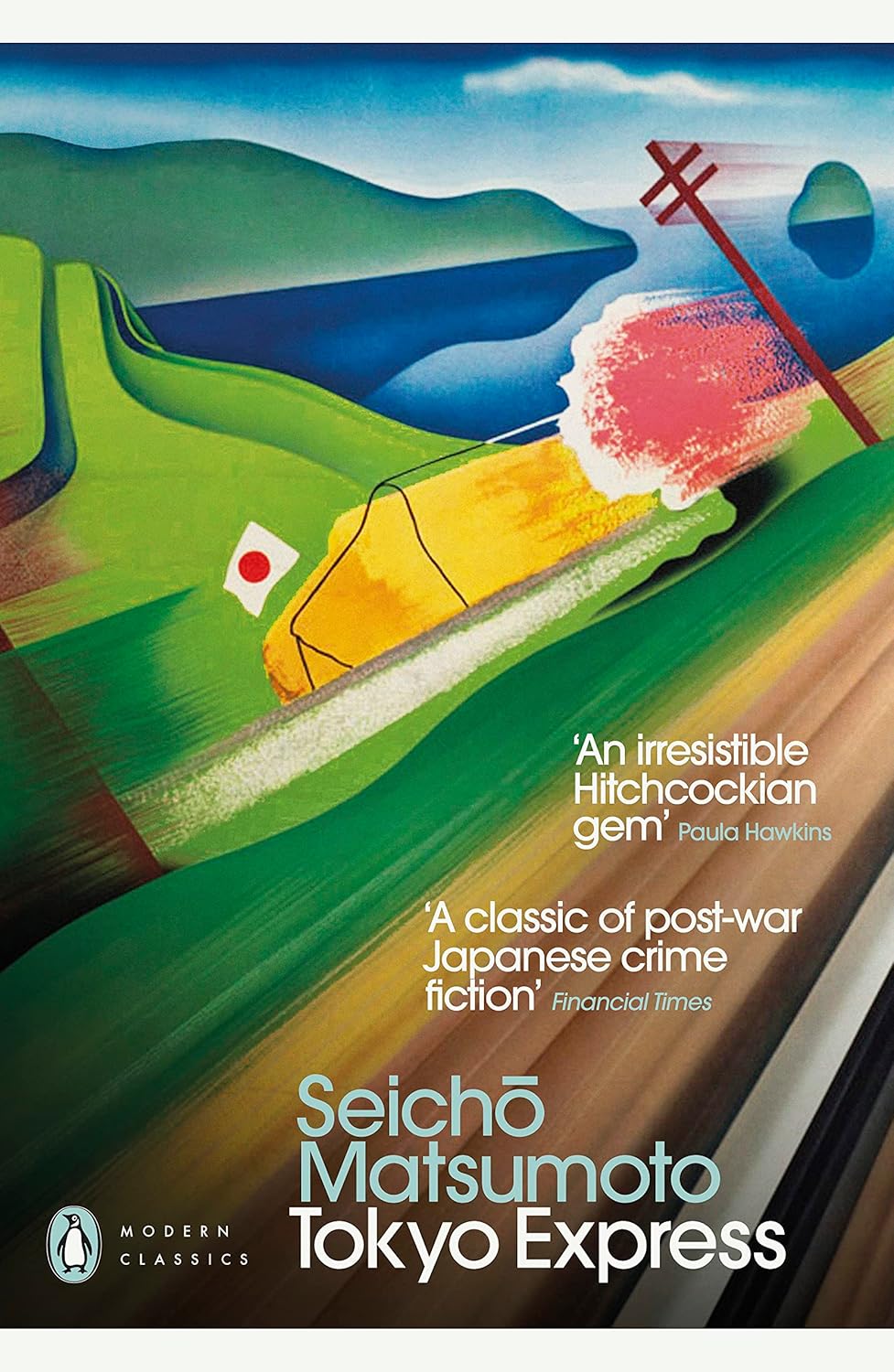
In a rocky cove in the bay of Hakata, the bodies of a young and beautiful couple are discovered. Stood …
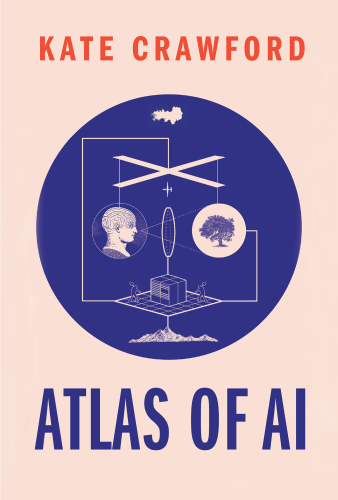
The hidden costs of artificial intelligence, from natural resources and labor to privacy, equality, and freedom
“Eloquent, clear and …

Dorothée Dussy se penche sur les mécanismes complexes par lesquels l’inceste, en théorie interdit et condamné, est couramment pratiqué dans …
Dorothée Dussy se penche sur les mécanismes complexes par lesquels l’inceste, en théorie interdit et condamné, est couramment pratiqué dans …
El término «violencia», en su sentido más elemental, refiere al daño ejercido sobre las personas por parte de otros seres …
El término «violencia», en su sentido más elemental, refiere al daño ejercido sobre las personas por parte de otros seres …
El término «violencia», en su sentido más elemental, refiere al daño ejercido sobre las personas por parte de otros seres …
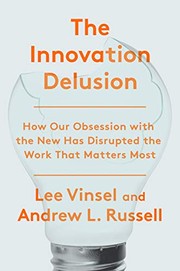
Innovation is the hottest buzzword in business. But what if its benefits has been exaggerated, and our obsession with finding …