

What a great, absorbing novel! Intense and gripping right from the start, with interesting settings and complex, fleshed-out characters, especially Louisa. There were many scenes (for example, a phone call between Anne and Louisa) where I thought the writing perfectly captured how people actually interact. I was surprised that Ron Charles gave it only 3 stars, but some things he mentioned in his review basically hit the nail on the head, like an "acute perception of emotional turmoil" and a "serpentine reconsideration of disputed events." I loved it.
User Profile

I got back into reading at the end of 2021 and it has been really fun. Once again, books are a big part of my life. Historical fiction, literary fiction, science fiction, etc., etc. Interested in politics, feminism, climate change, TV, movies, birding, biking, music, forest preserves, art museums, travel. UC Davis law grad, now in Chicago suburbs.
This link opens in a pop-up window
Brian Plunkett's books
2026 Reading Goal
55% complete! Brian Plunkett has read 11 of 20 books.
User Activity
RSS feed Back
Brian Plunkett reviewed Flashlight by Susan Choi

Flashlight - 5 Stars
5 stars
What a great, absorbing novel! Intense and gripping right from the start, with interesting settings and complex, fleshed-out characters, especially Louisa. There were many scenes (for example, a phone call between Anne and Louisa) where I thought the writing perfectly captured how people actually interact. I was surprised that Ron Charles gave it only 3 stars, but some things he mentioned in his review basically hit the nail on the head, like an "acute perception of emotional turmoil" and a "serpentine reconsideration of disputed events." I loved it.
Brian Plunkett started reading Flashlight by Susan Choi
Brian Plunkett reviewed Nonesuch by Francis Spufford

Nonesuch - 4 Stars
4 stars
Brian Plunkett started reading On the Calculation of Volume (Book I) by Solvej Balle (On the Calculation of Volume)
On the Calculation of Volume (Book I) by Solvej Balle (On the Calculation of Volume)
Brian Plunkett started reading Nonesuch by Francis Spufford
Brian Plunkett reviewed Babel by R.F. Kuang
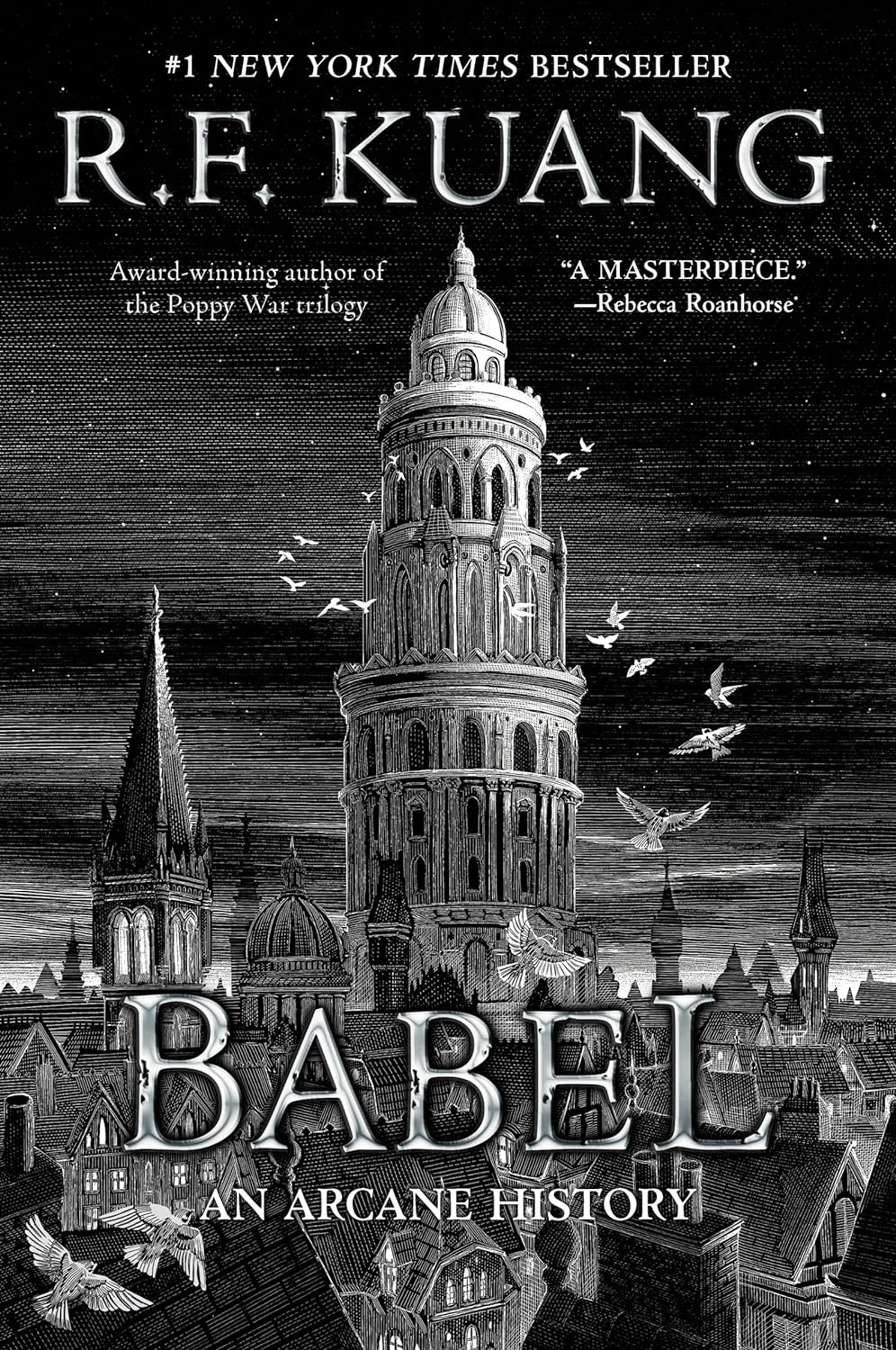
From award-winning author R. F. Kuang comes Babel, a thematic response to The Secret History …
Babel - 4 Stars
4 stars
It dragged a bit toward the end, unfortunately, but overall I enjoyed it a lot. Inventive, well-written, and very engaging. The incisive examination of imperialism is hard-hitting. The Oxford setting is great (along with some adventures farther afield), and there is just the right amount of magic.
Brian Plunkett reviewed Life on Mars by Tracy K. Smith
Life on Mars - 4 Stars
4 stars
My favorites in this collection were Aubade, The Good Life, and Part 8 of Life on Mars.
Brian Plunkett reviewed Hurting Kind by Ada Limon
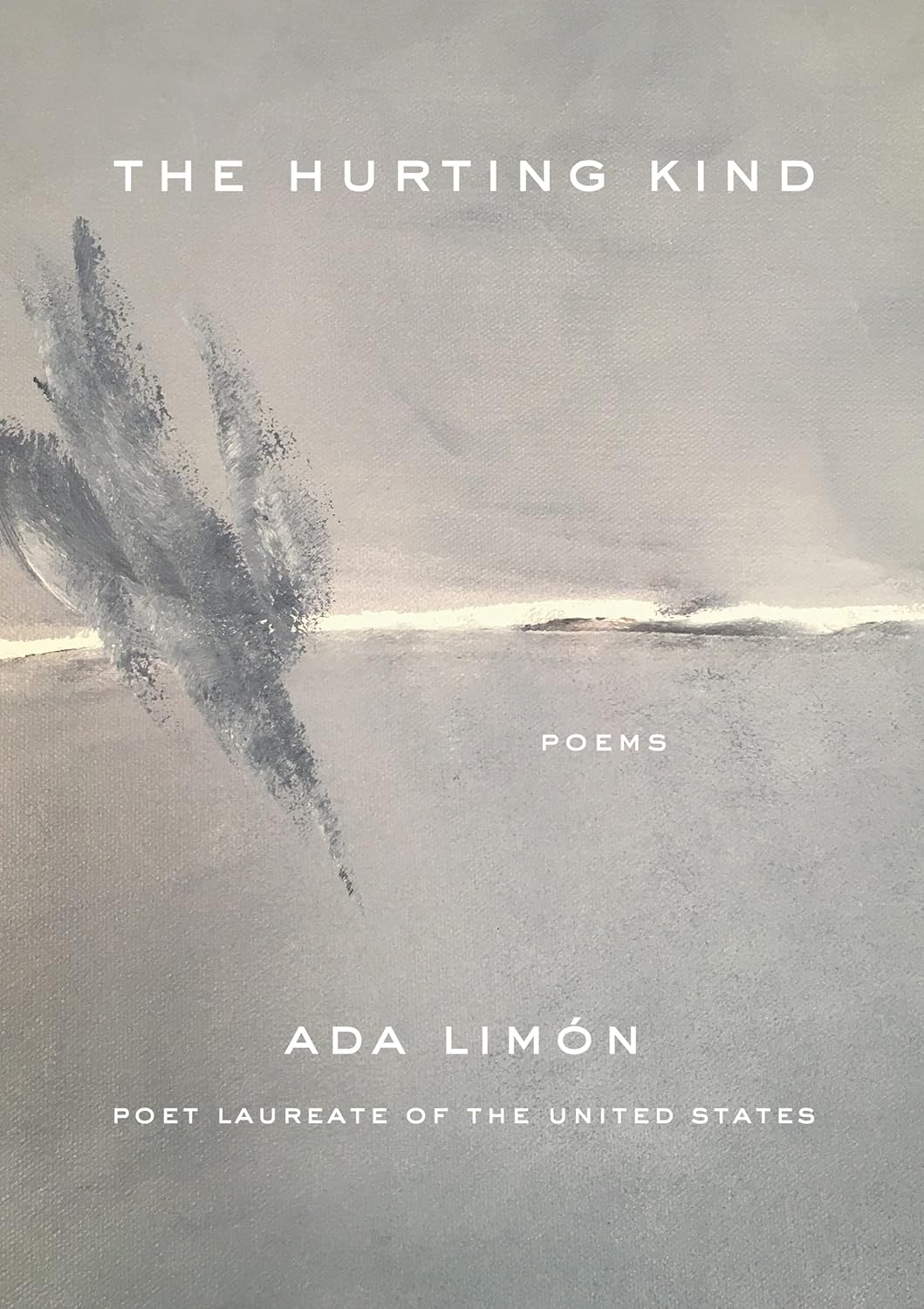
With Limón’s remarkable ability to trace thought, The Hurting Kind explores those questions—incorporating others’ stories …
The Hurting Kind - 4 Stars
4 stars
When the first poem (Give Me This) focused on a groundhog eating the tomatoes in the author's garden, I had a feeling that I would connect well with this book. Some of the other poems that seem to be sticking in my mind are Intimacy (regarding her mother's interaction with horses) and The Mountain Lion (maybe because I just recently attended a great library program featuring trail cam videos of wildlife in the Chicago suburbs).
When the first poem (Give Me This) focused on a groundhog eating the tomatoes in the author's garden, I had a feeling that I would connect well with this book. Some of the other poems that seem to be sticking in my mind are Intimacy (regarding her mother's interaction with horses) and The Mountain Lion (maybe because I just recently attended a great library program featuring trail cam videos of wildlife in the Chicago suburbs).
Brian Plunkett started reading Hurting Kind by Ada Limon
Hurting Kind by Ada Limon
With Limón’s remarkable ability to trace thought, The Hurting Kind explores those questions—incorporating others’ stories and ways of knowing, making …
Brian Plunkett started reading Babel by R.F. Kuang
Babel by R.F. Kuang
From award-winning author R. F. Kuang comes Babel, a thematic response to The Secret History and a tonal retort to …
Brian Plunkett started reading Life on Mars by Tracy K. Smith
Brian Plunkett reviewed Theory of bastards by Audrey Schulman
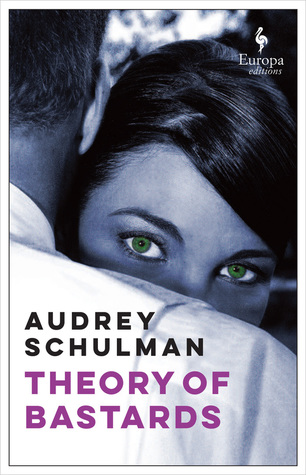
"Stage four. Surgery. Recovering." While those are the simple words that once described Dr. Francine …
Theory of Bastards - 4 Stars
4 stars
I saw this on Jeff VanderMeer's list of climate fiction recommendations in the New York Times. It's focused on Frankie, a MacArthur genius grant recipient who is studying bonobos. Her experience with endometriosis is an important part of the book. I appreciated the unsettling dystopian aspects of the novel (e.g., E-musement screens that won't turn off, malfunctioning "bodyware" implants, etc.), and the climate elements were well done also (e.g., a massive dust storm). The bonobos are truly fascinating and are significant characters in the story. In the second half, it started to feel like more of a thriller, but then it began to drag a bit and get somewhat repetitive. There were also few times when I thought that certain thoughts or dialogue didn't ring true or quite make sense in the context (same with some NY vs. Midwest tropes), but those are minor complaints. Overall it was very interesting …
I saw this on Jeff VanderMeer's list of climate fiction recommendations in the New York Times. It's focused on Frankie, a MacArthur genius grant recipient who is studying bonobos. Her experience with endometriosis is an important part of the book. I appreciated the unsettling dystopian aspects of the novel (e.g., E-musement screens that won't turn off, malfunctioning "bodyware" implants, etc.), and the climate elements were well done also (e.g., a massive dust storm). The bonobos are truly fascinating and are significant characters in the story. In the second half, it started to feel like more of a thriller, but then it began to drag a bit and get somewhat repetitive. There were also few times when I thought that certain thoughts or dialogue didn't ring true or quite make sense in the context (same with some NY vs. Midwest tropes), but those are minor complaints. Overall it was very interesting and engaging.
Brian Plunkett started reading Theory of bastards by Audrey Schulman
Theory of bastards by Audrey Schulman
"Stage four. Surgery. Recovering." While those are the simple words that once described Dr. Francine Burk's situation, the reality is …
Brian Plunkett reviewed Winter by Ali Smith

When four people, strangers and family, converge on a fifteen-bedroom house in Cornwall for Christmas, …
Winter - 5 Stars
5 stars
It took me a while to catch up to the rhythm of this book, with its quick word play and fragmented storytelling, but after that I really enjoyed it. As with Autumn, it covers a lot of ground, from the political (e.g., Brexit and the Greenham Common protests) to the personal (e.g., long-estranged sisters reconnecting but still butting heads). There's also some absurdity, like the busload of birders chasing Canada Warbler sightings. The shenanigans with Art and the woman he hires to pose as his girlfriend, Charlotte, are hilarious.
It took me a while to catch up to the rhythm of this book, with its quick word play and fragmented storytelling, but after that I really enjoyed it. As with Autumn, it covers a lot of ground, from the political (e.g., Brexit and the Greenham Common protests) to the personal (e.g., long-estranged sisters reconnecting but still butting heads). There's also some absurdity, like the busload of birders chasing Canada Warbler sightings. The shenanigans with Art and the woman he hires to pose as his girlfriend, Charlotte, are hilarious.