Occasional reader of books on topics such as geology, geoscience, sustainability, climate change, technology and privacy. I am using Bookwrym as a platform to track and encourage myself to read and/or listen to more books.
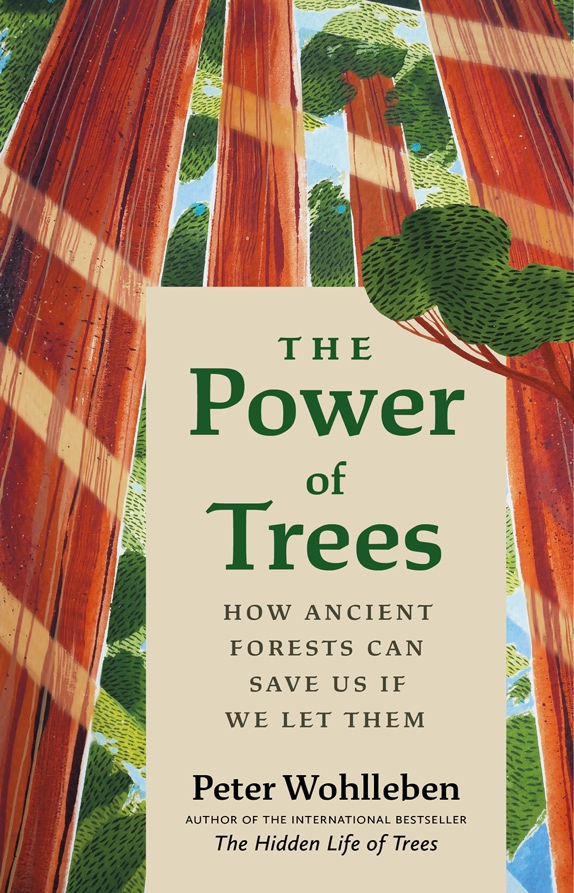
Peter Wohlleben is one of my favourite authors, and on good grounds. This time, the author explores our forests and trees on the back of a documentary he made. Throughout the book he references how tree planting schemes aren't always as good as they seem, how trees rely on their parent trees and what happens if they do not have one. I enjoyed listening to Peter document his fascination with trees and the variety of topics explored and felt it was well-balanced, making it not a dull read about all of our failings. Yes, it highlights many, but also explores what we should do, in some cases, are doing.
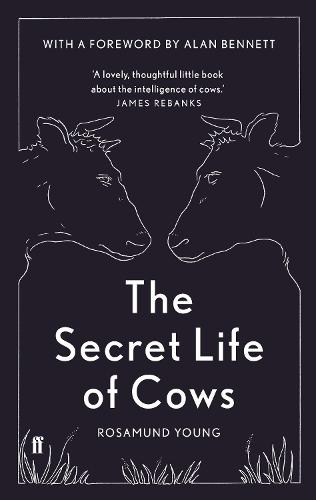
The secret life of cows explores one woman and her small herd of cows and other animals. The book predominantly focuses on the lives of individual cows and their quirks. While we cannot be sure what cows communicate exactly, the book explores of changes in behaviour is one of the ways this independent herd alerts the farmer they need help.
The book also touches on animal welfare and perhaps why people are allergic to milk. Near the end of the books, she discusses other animals on the farm, including the pigs and chickens.
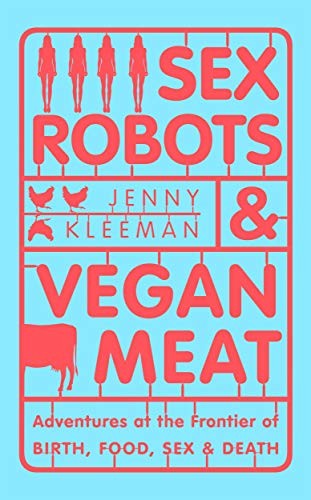
The book provides insights into the near future of birth, pleasure, food and death, with interviews and tours of the facilities changing our future.
Personally, I wasn't keen on listening to the final chapters about death; however, I found the other chapters interesting, and shocking in both positive and negatives ways. This book is for people curious about the topics mentioned and how technology and innovation will change them forever.
The book provides insights into the near future of birth, pleasure, food and death, with interviews and tours of the facilities changing our future.
Personally, I wasn't keen on listening to the final chapters about death; however, I found the other chapters interesting, and shocking in both positive and negatives ways. This book is for people curious about the topics mentioned and how technology and innovation will change them forever.
Data is fundamental to the modern world. From economic development, to healthcare, to education and …
Hidden World Bias
5 stars
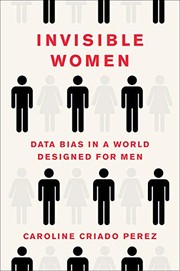
Many of us are aware of the disadvantages women face, such as the gender pay gap, tax on feminine care products etc. This book goes far deeper, exploring how data often does not include or separate male and female data, how body armour police wear and much more.
I felt this book opened my eyes more to the stark differences.
Are you at risk of being scammed? Former con artist and bestselling author of Catch …
Introduction to Scams
3 stars
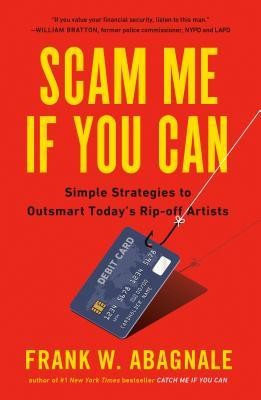
The book is focused around the American day-to-day life, as indicated by what cards you do/don't need to carry and the case study examples. I felt these will be useful to convey how anyone can be scammed, not just online, but in-person as such as identity theft. Furthermore, the quiz near the start of the book can quickly help assess how knowledgeable you are about scams, which could be revisited at the end.
On the contrary, I felt it was poor the scammer was referred to as he, though the book, as this could give the opinion only scammers are male. Likewise, I didn't feel hooked to keep reading and the deadline on the audiobook from the library was the only thing holding me accountable.
The book is focused around the American day-to-day life, as indicated by what cards you do/don't need to carry and the case study examples. I felt these will be useful to convey how anyone can be scammed, not just online, but in-person as such as identity theft. Furthermore, the quiz near the start of the book can quickly help assess how knowledgeable you are about scams, which could be revisited at the end.
On the contrary, I felt it was poor the scammer was referred to as he, though the book, as this could give the opinion only scammers are male. Likewise, I didn't feel hooked to keep reading and the deadline on the audiobook from the library was the only thing holding me accountable.
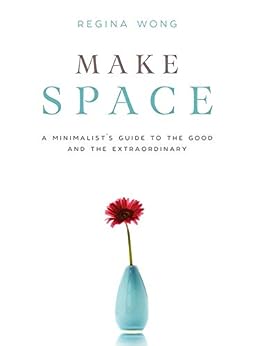
Make Space explores the minimalist lifestyle exploring how it has changed Regina Wong (the author). The book explores a wide range of areas such as work and lifestyle with activities inside the book to evaluate your current standing. The book has a lot of quotes, though many are attributed to anonymous sources.
For me the book didn't teach me anything I didn't know, granted I have read a few of Marie Kondo's books prior. Though I did appreciate a different side where the author talked about work and our time being precious, as minimalism is not just looking at 'things'.
Sadly, I felt some parts were elitist such as when she spoke about being able to buy a house with cash, rather than take a mortgage and being able to buy a coffee shop because it’s been her dream job. I feel this is unreasonable for many people …
Make Space explores the minimalist lifestyle exploring how it has changed Regina Wong (the author). The book explores a wide range of areas such as work and lifestyle with activities inside the book to evaluate your current standing. The book has a lot of quotes, though many are attributed to anonymous sources.
For me the book didn't teach me anything I didn't know, granted I have read a few of Marie Kondo's books prior. Though I did appreciate a different side where the author talked about work and our time being precious, as minimalism is not just looking at 'things'.
Sadly, I felt some parts were elitist such as when she spoke about being able to buy a house with cash, rather than take a mortgage and being able to buy a coffee shop because it’s been her dream job. I feel this is unreasonable for many people and could give the wrong impressions of who can achieve a more minimal lifestyle.
Step up your sustainability and unlock your full eco potential with 365 easy, trackable changes.
…
Impactful Daily Advice
5 stars
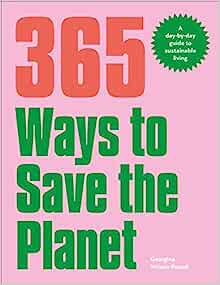
Georgina Wilson-Powell's book features colourful graphics and pages with a years worth of advice (one per day for 365 days). While the advice is not organised into categories, there is an index at the page of the book which is useful. Furthermore if the advice was grouped being advised to tackle similar areas day after day could feel repetitive, therefore the randomness is probably intentional.
Each day explains a piece of advice you could try and implement, explaining reason why, and the emissions you'd save if applicable. What it does not do is say "you should do this", which is great as not all swaps are relevant or achievable. Likewise the reasons why you could try the advice are a few short paragraphs at most, which makes for an easier read and reduces the sense of overwhelm.
At the back of the book are links to every statistic …
Georgina Wilson-Powell's book features colourful graphics and pages with a years worth of advice (one per day for 365 days). While the advice is not organised into categories, there is an index at the page of the book which is useful. Furthermore if the advice was grouped being advised to tackle similar areas day after day could feel repetitive, therefore the randomness is probably intentional.
Each day explains a piece of advice you could try and implement, explaining reason why, and the emissions you'd save if applicable. What it does not do is say "you should do this", which is great as not all swaps are relevant or achievable. Likewise the reasons why you could try the advice are a few short paragraphs at most, which makes for an easier read and reduces the sense of overwhelm.
At the back of the book are links to every statistic used offering transparency, promoting wider reading or a blogger like myself to the opportunity to cite the information.
How Bad Are Bananas? was a groundbreaking book when first published in 2009, when most …
The Book of Interesting Facts
5 stars
Finished this book last year and it seems I never marked it as complete on here. Nevertheless, here is my viewpoint.
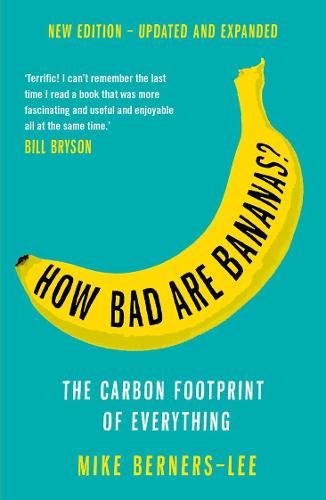
Mike Berners-Lee's book is best used for referring from as opposed to reading from front to back. Personally, I borrow most of my books from the library however, this is one of the few environmental books I own. The book is filled with statistics which is useful for bloggers, content creators or anyone who likes data, I have referenced his work in my blog.
His book is broken into several chapters starting with small and ending with large carbon emissions. Such examples include the emissions from a glass of water or paper tower to a flight on a plane. Mike Berners-Lee's book does not lecture anyone; instead, it offers advice.
Finished this book last year and it seems I never marked it as complete on here. Nevertheless, here is my viewpoint.
Mike Berners-Lee's book is best used for referring from as opposed to reading from front to back. Personally, I borrow most of my books from the library however, this is one of the few environmental books I own. The book is filled with statistics which is useful for bloggers, content creators or anyone who likes data, I have referenced his work in my blog.
His book is broken into several chapters starting with small and ending with large carbon emissions. Such examples include the emissions from a glass of water or paper tower to a flight on a plane. Mike Berners-Lee's book does not lecture anyone; instead, it offers advice.
A visually stunning journey into the diversity and wonders of forests. In his international bestseller …
The Life of Trees Uprooted
5 stars
Peter Wohlleben explores why forests are important and how trees communicate through the wood wide web, as opposed to our world wide web. Peter also explores the concept of symbiotic relationships between trees, explaining the reasons why they do it, even if the trees are of different species. Finally the author explains why tree leaves are green, silver birches bark is light coloured and the speed water and nutrients move in tree trunks.
Despite constant efforts to declutter your home, do papers still accumulate like snowdrifts and clothes …
The philosophy of tiding
4 stars
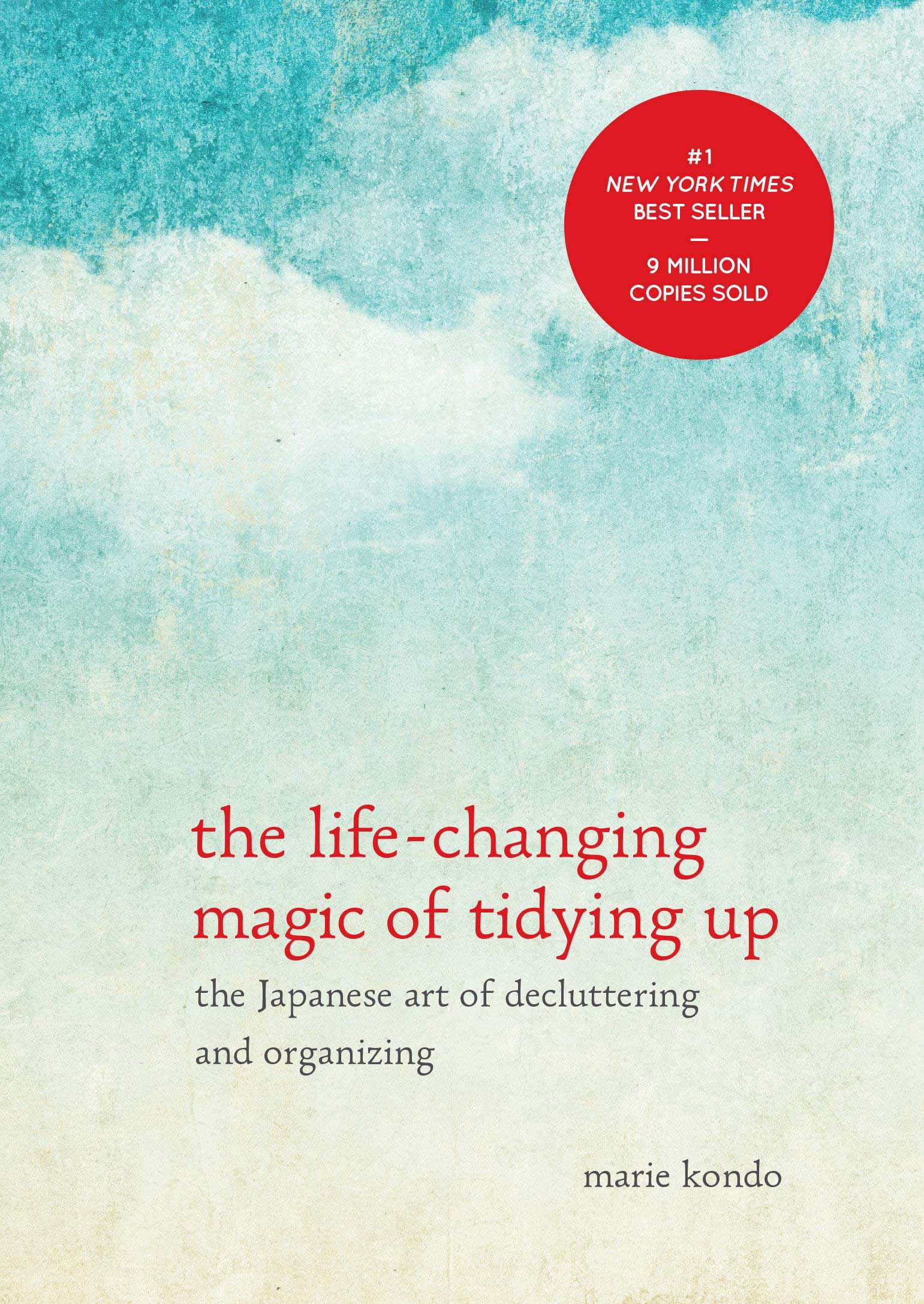
Having read one of Marie Kondo's books previously and having watched her series on Netflix a lot of the content mentioned in this book was not new. The Life-Changing Magic of Tidying Up focused on her history from a young child and how her passion has existed since a young age. What will be reassuring for many is the use of her own mistakes which can reassure you that an expert in the field of tiding makes mistakes and has since learnt from them. This could support people who may feel overwhelmed before, during or after the tiding process. The book is an easy listen and broken into 30 minute chapters at most making it easy to delve into. There are times during the book where I question her methods and I think that is perfectly fine. The overarching ideology is treating your belongings with respect and care. This is …
Having read one of Marie Kondo's books previously and having watched her series on Netflix a lot of the content mentioned in this book was not new. The Life-Changing Magic of Tidying Up focused on her history from a young child and how her passion has existed since a young age. What will be reassuring for many is the use of her own mistakes which can reassure you that an expert in the field of tiding makes mistakes and has since learnt from them. This could support people who may feel overwhelmed before, during or after the tiding process. The book is an easy listen and broken into 30 minute chapters at most making it easy to delve into. There are times during the book where I question her methods and I think that is perfectly fine. The overarching ideology is treating your belongings with respect and care. This is most likely why she suggests socks shouldn't be bundled (as it could stretch the elastic) or not leaving bags filled. Likewise our houses are often filled with items, but how many of them make us smile when we wear it or use it. This is where she refers to the 'does it spark joy' term. This helps us to appreciate what we have. As with any book there are elements you may wish to incorporate and disregard. What may reassure many is the fact that tiding up is not a daily chore but something that will become 'second nature' once a system has been organised. Finally I found it interesting that she mentioned how the health of her clients tended to improve after decluttering, sort of like a weight had been lifted. Perhaps once a declutter has started you look elsewhere on how to improve your lifestyle?
Japanese decluttering guru Marie Kondo has revolutionized homes—and lives—across the world. Now, Kondo presents an …
Organised Living
4 stars
A book for those who wish to minimise their belongings and are unsure what to do or where to start. This book explores what 'joy' means, how to fold clothing, organise and provides real life examples of clients Marie Kondo has worked with. As someone who was aware of her methodology beforehand, I was aware of a lot of the books content however, it was a good listen regardless.
John Lewis-Stempel's book about owls is a short and pleasant read, 96 pages or 1.52 hours as an audiobook. The introduction to the book briefly explains how owls have become a symbolic animal. They feature in popular films such as Harry Potter and other novels. Yet an owl is a mysterious animal synonymous with witches and potions. The Secret Life of the Owl, also unpicks the history of these birds and how humans have utilised them to hunt other birds.
The book concludes by by discussing how owls were used to predict weather, and medicine and a weird truth serum. Some of the beliefs are on the more unusual side such as dreaming of an owl was a sign of death. I just hope listening to a book about owls does not bring such fate.
John Lewis-Stempel's book about owls is a short and pleasant read, 96 pages or 1.52 hours as an audiobook. The introduction to the book briefly explains how owls have become a symbolic animal. They feature in popular films such as Harry Potter and other novels. Yet an owl is a mysterious animal synonymous with witches and potions. The Secret Life of the Owl, also unpicks the history of these birds and how humans have utilised them to hunt other birds.
The book concludes by by discussing how owls were used to predict weather, and medicine and a weird truth serum. Some of the beliefs are on the more unusual side such as dreaming of an owl was a sign of death. I just hope listening to a book about owls does not bring such fate.
Most of us know that addiction to digital tools is costing us both productivity and …
Digital Detox
3 stars
Cal Newport's book explains the philosophy of Digital Minimalism; showcasing how technology can negatively harm our social interactions. Personally I listened to this book from the local library in an audiobook format and felt the chapters were way to long. Some chapters were up to 70 minutes in length. I personally prefer shorter chapters as it allows someone to dip their toe into a book for 20 - 30 minutes. I often put the book to rest and picked it up the next day trying to pickup where I left of.
The book cites examples of how peoples experiences with technology before his 30 day programme. It talks about how parents may miss out on quality time with their friends and family and what can be done. Cal offers advice throughout the book though some of them are more basic. The range of advice allows the reader to pick …
Cal Newport's book explains the philosophy of Digital Minimalism; showcasing how technology can negatively harm our social interactions. Personally I listened to this book from the local library in an audiobook format and felt the chapters were way to long. Some chapters were up to 70 minutes in length. I personally prefer shorter chapters as it allows someone to dip their toe into a book for 20 - 30 minutes. I often put the book to rest and picked it up the next day trying to pickup where I left of.
The book cites examples of how peoples experiences with technology before his 30 day programme. It talks about how parents may miss out on quality time with their friends and family and what can be done. Cal offers advice throughout the book though some of them are more basic. The range of advice allows the reader to pick and choose some tips and try and implement them. Advice ranges from spending time alone to gain solitude, deleting social media of our phones and walking outside.
As mentioned earlier I borrowed this book from the library as an audiobook which gave me more confidence to pick it up and follow along. Unfortunately, I returned the book before finishing it, which I rarely do, skipping a whole hour long chapter. I felt that the tips were too basic of which some felt 'common knowledge'. I also felt that my life didn't meet up with the examples cited in the book. While age plays a part I have never been inundated with notifications but I have stripped my phone apps to the basics. Cal talks about social interaction being better than digital which can be argued either way. While face to face interactions might be beneficial for some, others may find it harder. Personally I prefer avoiding large social interactions as it can be awkward and hard to gage where conversations are leading. Likewise text based communication does not have white noise from other people talking around you which I find very distracting. Finally the majority of my friends, all be it limited are online and very few are in person where I know their phone number.
TLDR:
To summarise this book explores how social media can be harmful, looking at studies showing both sides. Cal's advice is basic but allows the individual to pick and choose what works for them. Though a large proportion of the advice given could be found out through online queries. I enjoyed listening to how one person spends time drawing a picture for his children's lunch box everyday, and thinking that is a nice touch. But it is far fetched from financial independence which is also discussed in another case study. I wished the chapters were shorter as I often zoned out of the book when listening or got bored and paused it for the day mid chapter.