We're a plural system who loves queer & anarchist scifi.
But recently we just read a few randomly picked up mystery books in a row, in German, and we tend to review books in the language we read them in. That or similar may happen again, be warned.
I like this one :) a story about a bunch of girls negotiating being kids vs teenagers and I really like how it turns out to be a fluid thing that's more fun when the stereotypes get dropped. And the definition of "bisexual" does not limit itself to the gender binary, so extra points.
I like this one :) a story about a bunch of girls negotiating being kids vs teenagers and I really like how it turns out to be a fluid thing that's more fun when the stereotypes get dropped. And the definition of "bisexual" does not limit itself to the gender binary, so extra points.
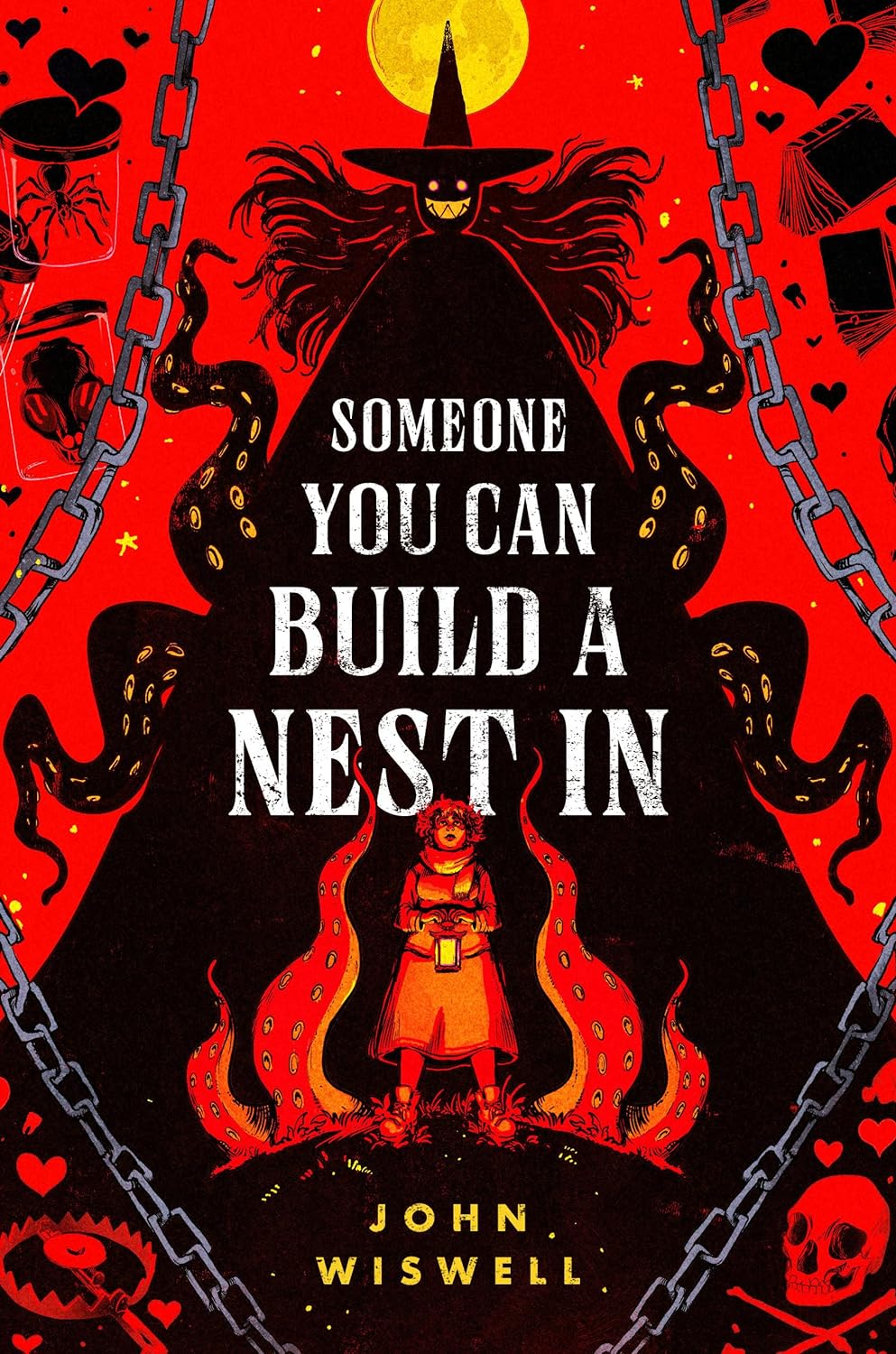
Discover this creepy, charming monster-slaying fantasy romance—from the perspective of the monster—by Nebula Award-winning debut …
Someone You Can Build a Nest In
5 stars
This book was fantastic. The setup is that shapeshifting, people-eating, amorphous blob Shesheshen is rescued by overly kind Homily, believing Shesheshen to be a person. Ironically, Homily comes from a monstrously toxic family of wyrm hunters, who are all out to kill Shesheshen specifically, while not realizing that Shesheshen is said monster. (Hijinks ensue.)
It's a story that deals with passing and masking--Shesheshen works really hard at trying to be a person, physically and socially assembled from what she can scavenge. She's got a wry non-human perspective that's especially biology-focused, like how to form legs and have a humanish shape, the tricky mechanics of eating with your mouth closed, and the overwhelmingness of smells and noises.
This book also deals with physically and emotionally abusive family, and how hard it is to struggle through trauma, no matter how much you are being hurt. Also, as you might …
This book was fantastic. The setup is that shapeshifting, people-eating, amorphous blob Shesheshen is rescued by overly kind Homily, believing Shesheshen to be a person. Ironically, Homily comes from a monstrously toxic family of wyrm hunters, who are all out to kill Shesheshen specifically, while not realizing that Shesheshen is said monster. (Hijinks ensue.)
It's a story that deals with passing and masking--Shesheshen works really hard at trying to be a person, physically and socially assembled from what she can scavenge. She's got a wry non-human perspective that's especially biology-focused, like how to form legs and have a humanish shape, the tricky mechanics of eating with your mouth closed, and the overwhelmingness of smells and noises.
This book also deals with physically and emotionally abusive family, and how hard it is to struggle through trauma, no matter how much you are being hurt. Also, as you might expect, this book is also about family and royalty being the true monsters.
Normally, I am not keen on stories where a good bit of relationship tension comes from an intentional deception leading up to an eventual awkward reveal. Even if you ignore the self-protective reasons here, I think the setup in this book works partially for comedy reasons, as Shesheshen considers devouring Homily at the outset, but as she gets more entangled in Homily's family life, it also works as a deception told for protective reasons. It narratively worked for me enough to not be feeling "just tell her already!" throughout the book. The fact that there are a number of worse deceptions elsewhere also makes this feel more minor than you'd imagine it could be.
I devoured (pun not intended) the whole book in one day. Strong recommend from me.
Discover this creepy, charming monster-slaying fantasy romance—from the perspective of the monster—by Nebula Award-winning debut …
This was the same mistake so many humans made: believing someone would leap over trauma when it hurt them badly enough. That wasn't how it worked, and the monster knew it. All Shesheshen could do for Homily was be patient with her, and make space for her, and, eventually, one day behind her back, eat her mother.
After leaving her life behind to go to college in New York, Marin must face …
Nice but...
No rating
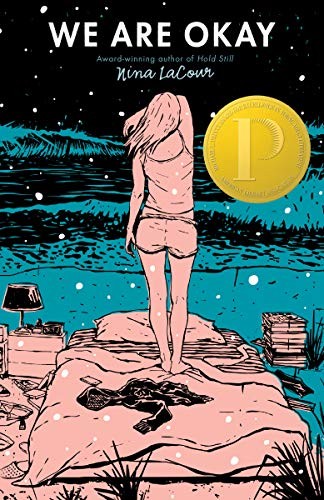
I like this book. It gets across a lot of feeling. But somehow I don't get it. I get that the big secret is something that hurts Marin. But I don't really get the other effects it has on her. That's fine, I can accept it in a "it's never possible to really understand other people, and everyone's so different, that also goes for fictional characters" way, but it produces a lot of distance for me. I also don't really get why that thing gets connected to insanity, it just... doesn't seem that much out of the ordinary to me somehow.
I like this book. It gets across a lot of feeling. But somehow I don't get it. I get that the big secret is something that hurts Marin. But I don't really get the other effects it has on her. That's fine, I can accept it in a "it's never possible to really understand other people, and everyone's so different, that also goes for fictional characters" way, but it produces a lot of distance for me. I also don't really get why that thing gets connected to insanity, it just... doesn't seem that much out of the ordinary to me somehow.
Saša Stanišićs erster Kinderroman macht Mut zum Anderssein Kemi wird im Ferienlager Teil einer Gruppe …
This feels true and calm
No rating
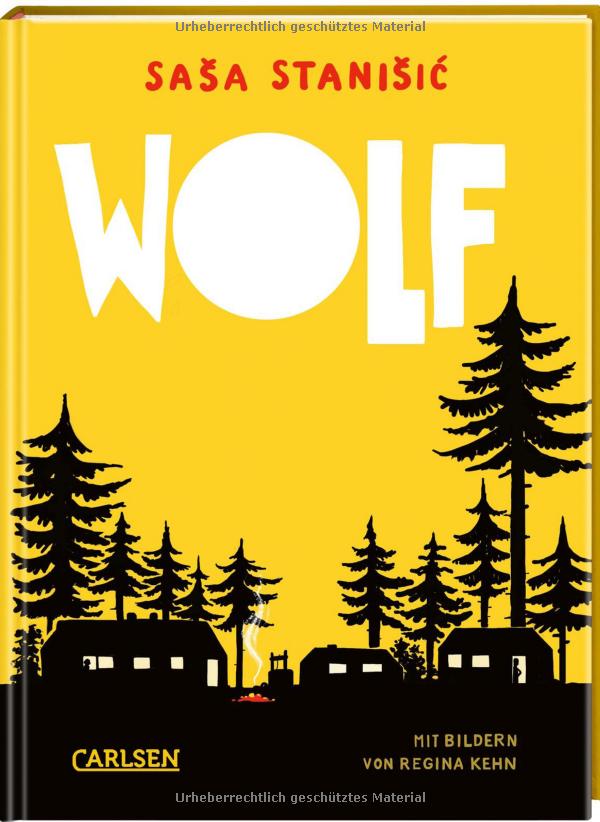
I'm glad I read this. It's the only story about bullying that I remember being both realistic-feeling and hopeful. It's also the only one where I feel like the person being bullied is portrayed like a full person, not just someone to save or pity or befriend or whatever. I love that it's clear that Jörg is being pushed into this position of the designated different one, while also not trying to paint him as someone who's not weird. The descriptions of summer camp feel painfully accurate too, in a very funny way.
I'm glad I read this. It's the only story about bullying that I remember being both realistic-feeling and hopeful. It's also the only one where I feel like the person being bullied is portrayed like a full person, not just someone to save or pity or befriend or whatever. I love that it's clear that Jörg is being pushed into this position of the designated different one, while also not trying to paint him as someone who's not weird. The descriptions of summer camp feel painfully accurate too, in a very funny way.
The follow-up to T. Kingfisher’s bestselling gothic novella, What Moves the Dead .
Retired …
Very enjoyable
No rating
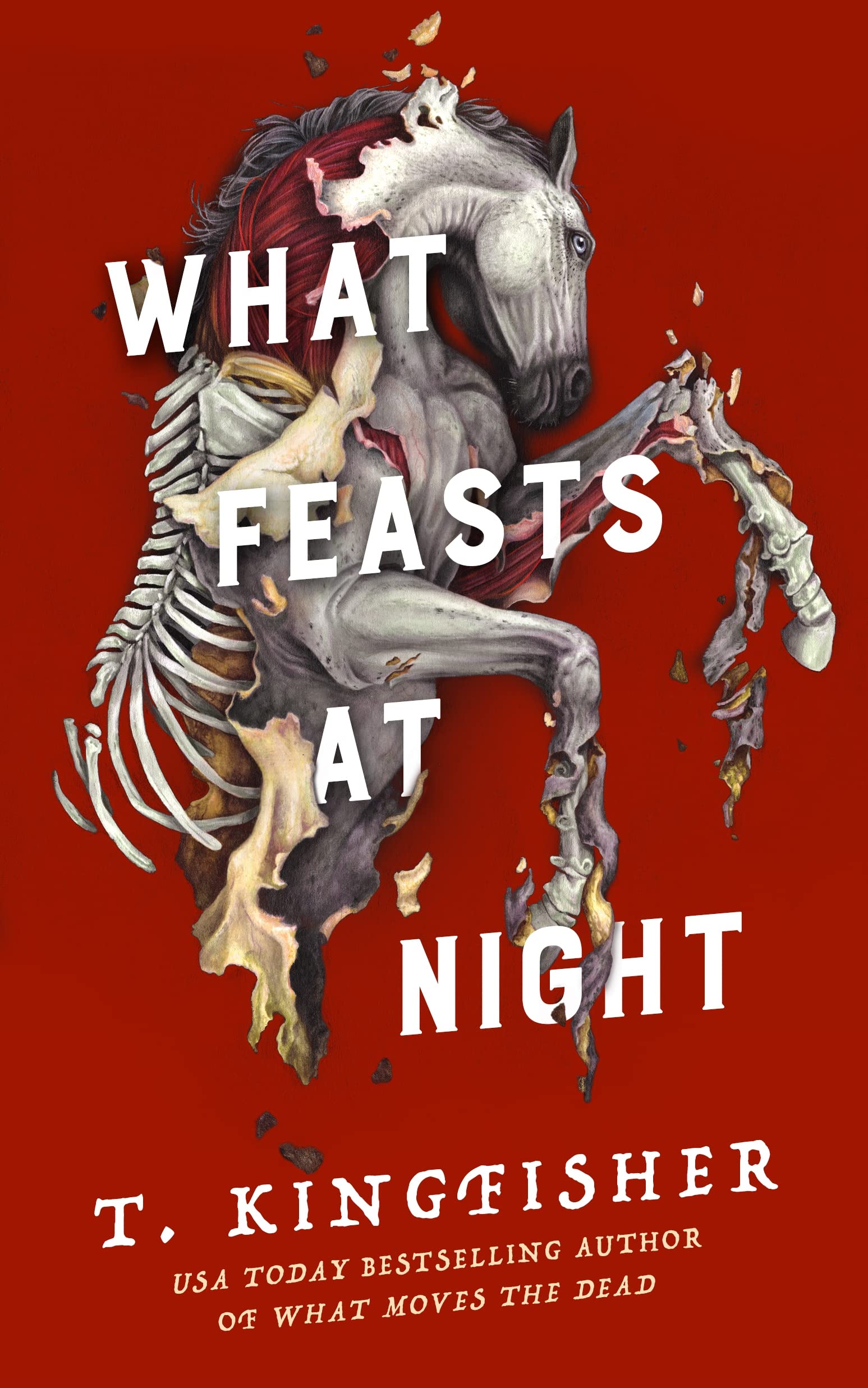
I didn't get into the main story much, and the nightmare-ish qualities weren't what I was feeling like. But I loved the casual countryside living talk, and the ways the characters interacted.
I didn't get into the main story much, and the nightmare-ish qualities weren't what I was feeling like. But I loved the casual countryside living talk, and the ways the characters interacted.