
Catship wants to read The Hollow Places by T. Kingfisher
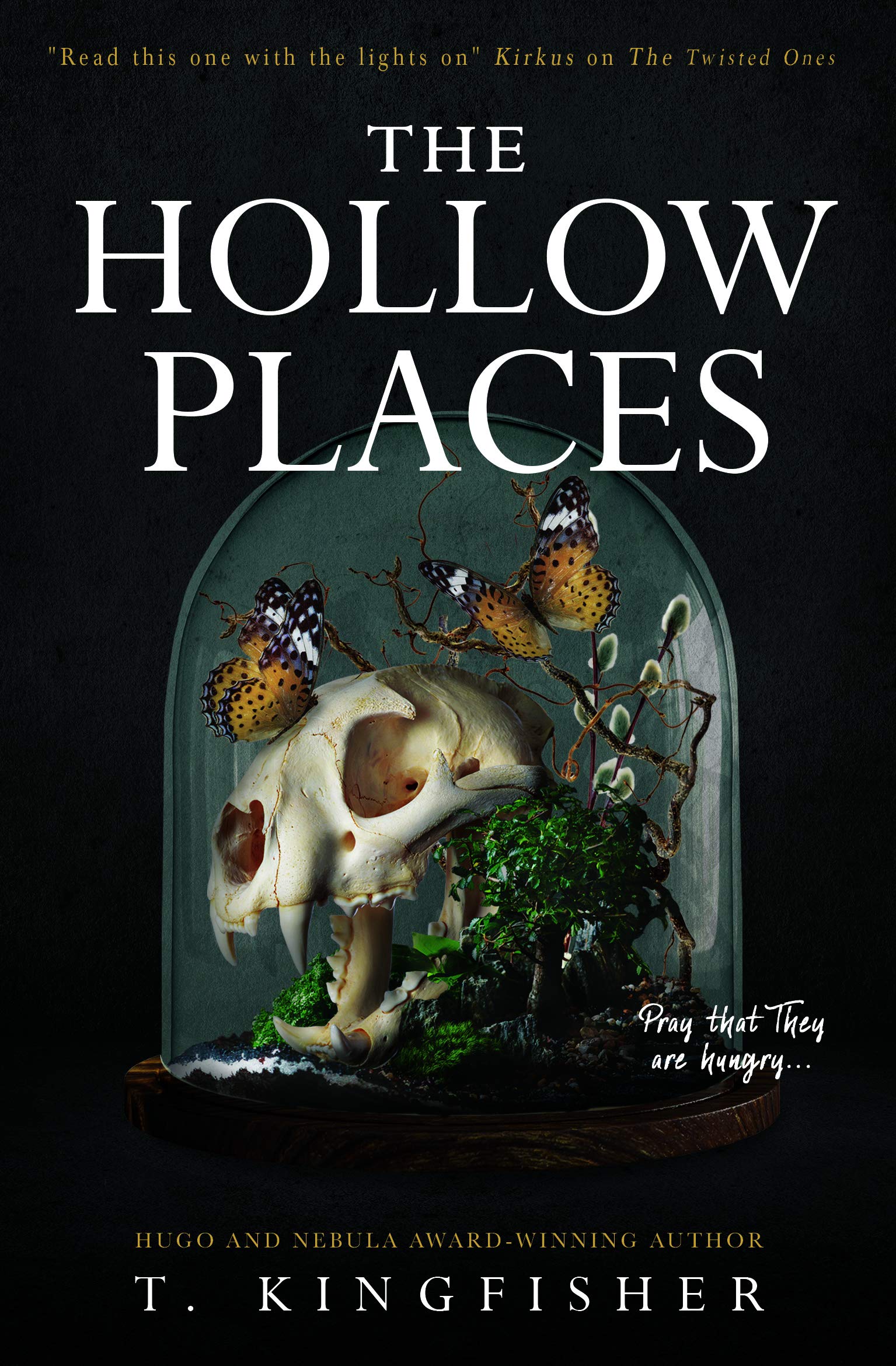
The Hollow Places by T. Kingfisher, .
A young woman discovers a strange portal in her uncle’s house, leading to madness and terror in this gripping new …

We're a plural system who loves queer & anarchist scifi.
But recently we just read a few randomly picked up mystery books in a row, in German, and we tend to review books in the language we read them in. That or similar may happen again, be warned.
No reading goals, just feelings.
This link opens in a pop-up window

A young woman discovers a strange portal in her uncle’s house, leading to madness and terror in this gripping new …
Catship
boosted
A young woman discovers a strange portal in her uncle’s house, leading to madness and …
The Hollow Places is a horror novel by T. Kingfisher. The premise is that newly divorced Kara goes back to live in her uncle's curio museum; when a mysterious hole in the wall appears and goes to what seems to be another dimension, she and her barista friend investigate. Overall, horror is not usually my cuppa but this was an enjoyable creepy ride (and I'll read anything by T. Kingfisher at this point).
But he groaned and stomped around the hall for a few minutes, then said, "Okay. But this is how people die in horror movies, you know."
"You're not the teensiest bit curious?
"I'm incredibly curious! I've just also seen horror movies!"
This book is intensely creepy at times, and the horror elements all the more unsettling for being fuzzy and unseen and unknowable. I wish a little that there was a …
The Hollow Places is a horror novel by T. Kingfisher. The premise is that newly divorced Kara goes back to live in her uncle's curio museum; when a mysterious hole in the wall appears and goes to what seems to be another dimension, she and her barista friend investigate. Overall, horror is not usually my cuppa but this was an enjoyable creepy ride (and I'll read anything by T. Kingfisher at this point).
But he groaned and stomped around the hall for a few minutes, then said, "Okay. But this is how people die in horror movies, you know."
"You're not the teensiest bit curious?
"I'm incredibly curious! I've just also seen horror movies!"
This book is intensely creepy at times, and the horror elements all the more unsettling for being fuzzy and unseen and unknowable. I wish a little that there was a little bit more character development or reveal (such as a more tight thematic coupling of Kara's backstory or marriage with the present events). However, I really enjoyed both the banter and also the centering of the museum as a welcoming and protective home rather than playing it just for creeps.
The author's note said that this was based on the 1907 short story The Willows, by Algernon Blackwood and I wish I had read that first so that I could understand some references that would have passed me by otherwise.
Catship
boosted
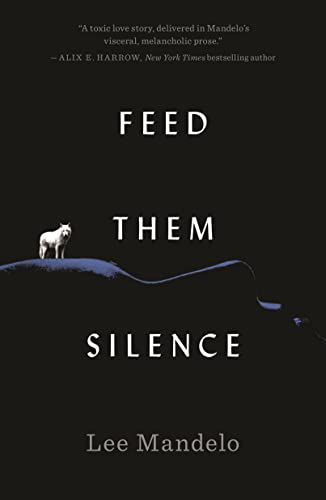
What does it mean to "be-in-kind" with a nonhuman animal? Or in Dr. Sean Kell-Luddon’s …
Feed Them Silence is the best fiction I have read all year.
It's a near-future sf novella about a researcher who is using new technology to neurologically interface with a near-extinct wolf pack, in order to "become in kind" with them and understand how they make their way in a tough world. Thematically, this novella is dense and chewy and interleaves so much into such a short length. It's about relationships and power dynamics, the fantasy of truly understanding animals (and other humans [and ourselves]), but also about global warming and the objectivity of research.
For me, this is science fiction at its best, using a what-if future science to ask troubling and incisive questions. Even as it presents its own conflicting opinions, it asks far more questions than it has answers for. The novella also walks a tight line in generating compassion and understanding for the protagonist …
Feed Them Silence is the best fiction I have read all year.
It's a near-future sf novella about a researcher who is using new technology to neurologically interface with a near-extinct wolf pack, in order to "become in kind" with them and understand how they make their way in a tough world. Thematically, this novella is dense and chewy and interleaves so much into such a short length. It's about relationships and power dynamics, the fantasy of truly understanding animals (and other humans [and ourselves]), but also about global warming and the objectivity of research.
For me, this is science fiction at its best, using a what-if future science to ask troubling and incisive questions. Even as it presents its own conflicting opinions, it asks far more questions than it has answers for. The novella also walks a tight line in generating compassion and understanding for the protagonist Sean, even while she makes poor decisions and even while she is being (justifiably) emotionally eviscerated by her wife.
This TOR interview with Lee Mandelo was extremely worth reading and added a lot of context for me about how the author thinks and the book's background. I think it has some minor expectation spoilers, but can be read independently. That interview itself quotes from this interview with Donna Haraway which was also worth reading and gets more into the communication fantasy of understanding animals.
What does it mean to "be-in-kind" with a nonhuman animal? Or in Dr. Sean Kell-Luddon’s case, to be in-kind with …

Ok so I don't love this one. It has a bunch of stuff doing on that somehow just doesn't convince me. But I like so much about it. Including what a totally unsubtle criticism of prison systems it is.
Ok so I don't love this one. It has a bunch of stuff doing on that somehow just doesn't convince me. But I like so much about it. Including what a totally unsubtle criticism of prison systems it is.
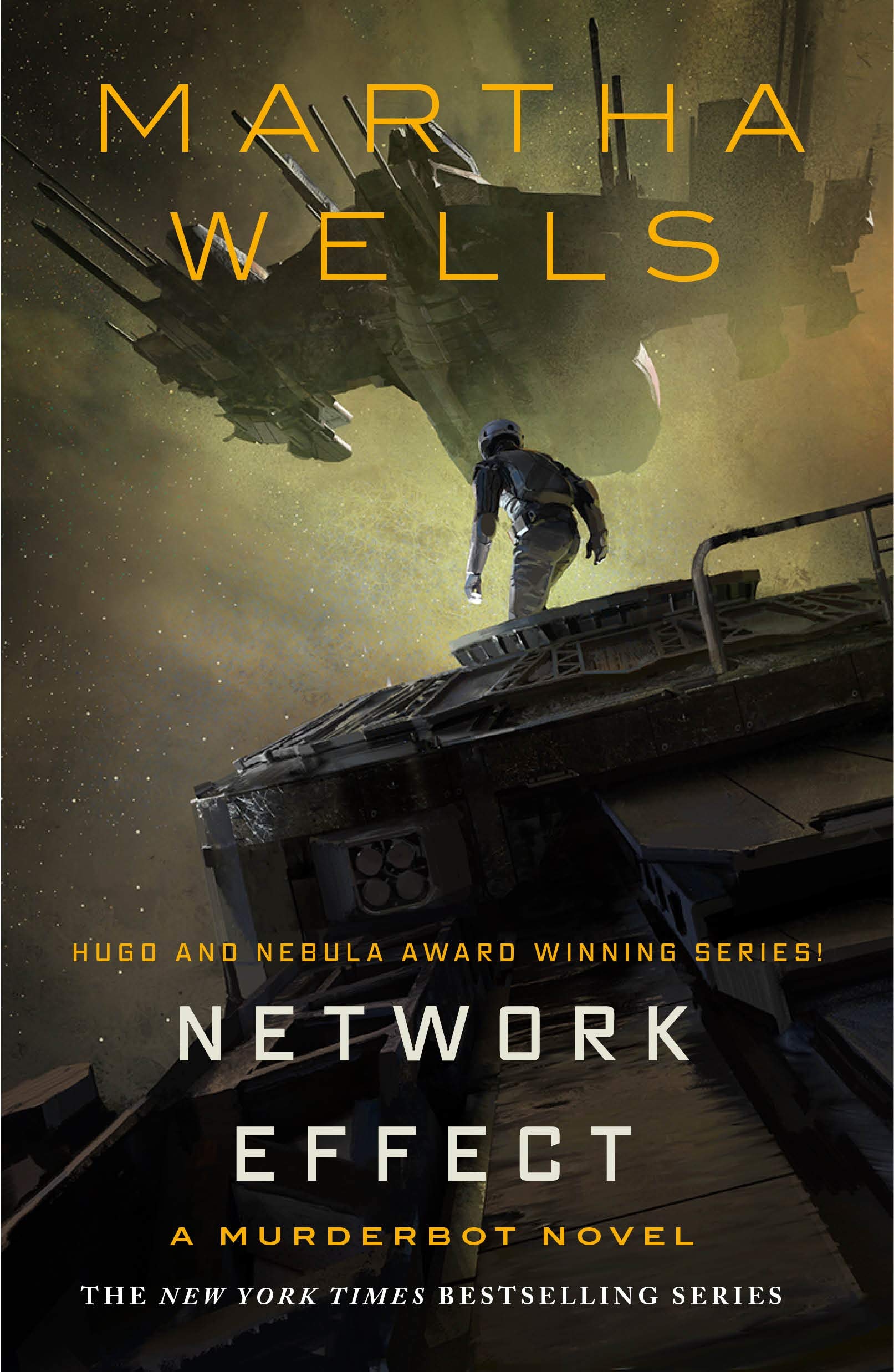
WINNER of the 2021 Hugo, Nebula and Locus Awards!
The first full-length novel in Martha Wells' New York Times …
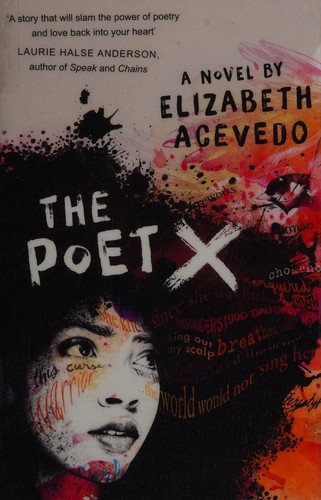
Xiomara has always kept her words to herself. When it comes to standing her ground …
It's a story about poetry and family and friends and love and a lot of hard stuff happens and there's oppression and harassment and abuse, but it's a super beautiful story imo.
It's a story about poetry and family and friends and love and a lot of hard stuff happens and there's oppression and harassment and abuse, but it's a super beautiful story imo.
Xiomara has always kept her words to herself. When it comes to standing her ground in her Harlem neighbourhood, she …
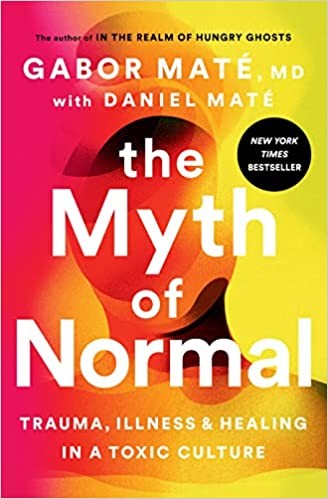
By the acclaimed author of In the Realm of Hungry Ghosts, a groundbreaking investigation into …
I was expecting a bit too much, but it's certainly worth reading. It's neither revelatory nor very inspiring to me, but one of those things where it's just nice to have it all said in one place to think about the connections. There's a few chapters in the middle that kinda list me, I was eager to get to the end with the bits about healing. And those I'll have to get in paper form to properly engage with. All in all I'm glad I read it.
I was expecting a bit too much, but it's certainly worth reading. It's neither revelatory nor very inspiring to me, but one of those things where it's just nice to have it all said in one place to think about the connections. There's a few chapters in the middle that kinda list me, I was eager to get to the end with the bits about healing. And those I'll have to get in paper form to properly engage with. All in all I'm glad I read it.
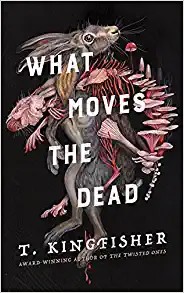
From T. Kingfisher, the award-winning author of The Twisted Ones, comes What Moves the Dead, …
So, it's not very scary or anything. It also has soldiers, which often makes me dislike stories. But ah. This one is exactly right for me. It has the right kind of mushrooms and queerness and feminism and I enjoyed so many little details in it.
So, it's not very scary or anything. It also has soldiers, which often makes me dislike stories. But ah. This one is exactly right for me. It has the right kind of mushrooms and queerness and feminism and I enjoyed so many little details in it.
From T. Kingfisher, the award-winning author of The Twisted Ones, comes What Moves the Dead, a gripping and atmospheric retelling …
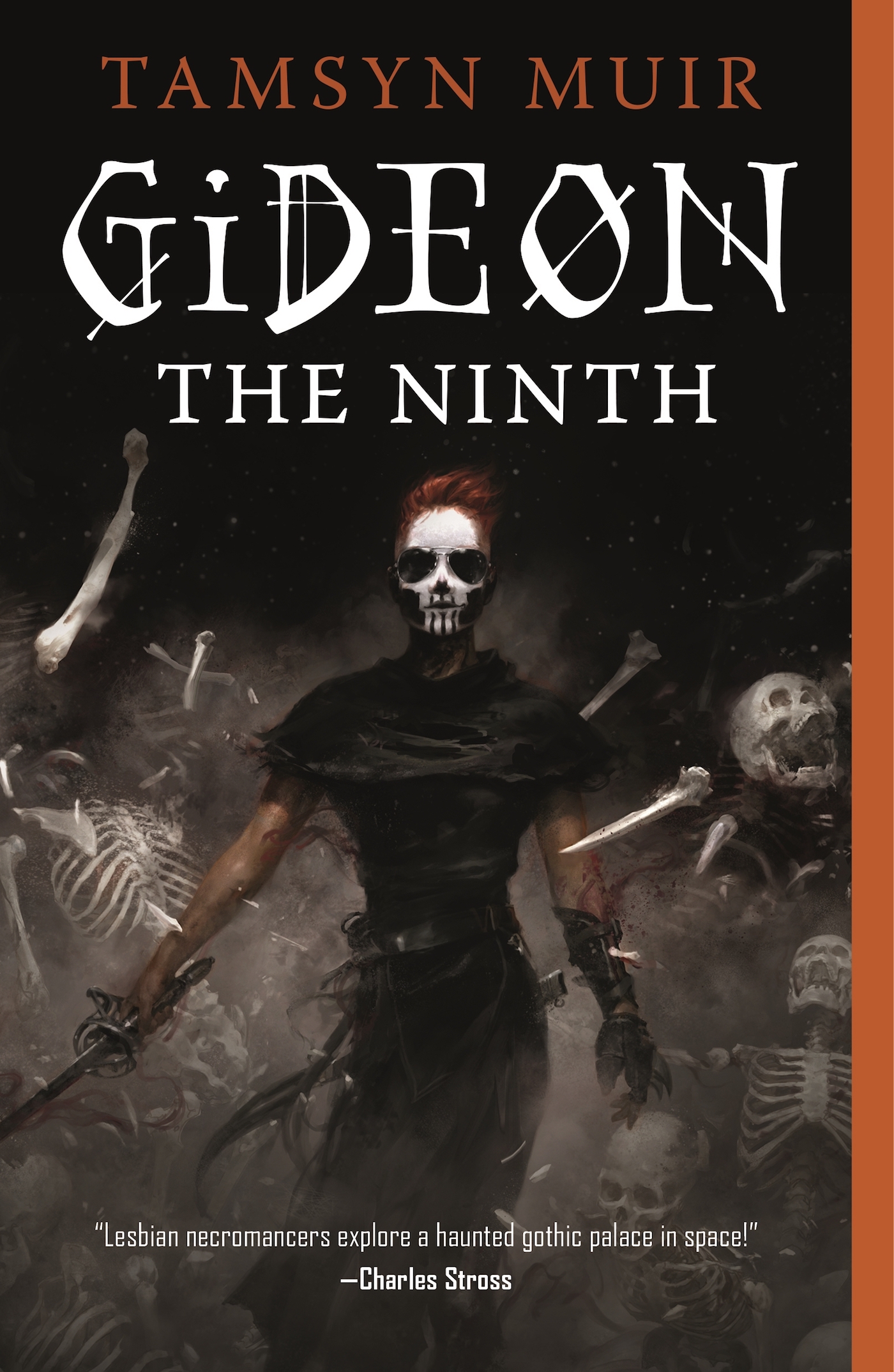
"The Emperor needs necromancers.
The Ninth Necromancer needs a swordswoman.
Gideon has a …
Now I didn't, but I liked a bunch of things that it does. I enjoyed reading it, but I'm not eager to continue with the series.
Now I didn't, but I liked a bunch of things that it does. I enjoyed reading it, but I'm not eager to continue with the series.
Catship
boosted
A dysfunctional team of four conwomen (the boss, the hacker, the distraction, and the driver) get caught and imprisoned in Justice, an ancient spaceship whose AI goes around collecting tithes of prisoners to run it; despite their fraying relationships, the four of them have to find their footing in the cultures and towns that are flourishing on the ship, escape the eyes and hands of the AI, and run one more con to escape the ship together.
Genre-wise, there's a lot of "low tech" here, such that it almost felt like a fantasy book of towns, swords, and politics but on a space-ship. It reminded me a good bit of Elizabeth Bear's Jacob's Ladder books.
The character dynamics really drove the book. Murdock (the hacker) is the first person perspective here; her main goal is to prove herself to Hark (the boss), and she has an icy …
A dysfunctional team of four conwomen (the boss, the hacker, the distraction, and the driver) get caught and imprisoned in Justice, an ancient spaceship whose AI goes around collecting tithes of prisoners to run it; despite their fraying relationships, the four of them have to find their footing in the cultures and towns that are flourishing on the ship, escape the eyes and hands of the AI, and run one more con to escape the ship together.
Genre-wise, there's a lot of "low tech" here, such that it almost felt like a fantasy book of towns, swords, and politics but on a space-ship. It reminded me a good bit of Elizabeth Bear's Jacob's Ladder books.
The character dynamics really drove the book. Murdock (the hacker) is the first person perspective here; her main goal is to prove herself to Hark (the boss), and she has an icy relationship with Fitz (the distraction) because of Fitz's attention from Hark. From the get go, the Justice AI creepily sticks its nose into these relationships and tries to win Murdock over to its side. The book revolves around all of these shifting relationships.
Overall, this was a fun romp if you want some conwomen spaceship escape adventures.