Iniciada en 1997, la guerra con los taurinos dura desde hace siglos. Como pasan de un mundo a otro a velocidades superiores a la de la luz, las tropas de la guerra interminable envejecen sólo unos pocos días mientras en la Tierra pasan los años y el planeta se vuelve cada vez más irreconocible. De este modo, la lucha más cruel que habrán de mantener estos soldados será su batalla personal contra el tiempo. La guerra interminable es la novela más conocida de Haldeman, con más de un millón de ejemplares vendidos en inglés. Ha sido traducida a dieciocho idiomas y ganó los prestigiosos premios de ciencia ficción Hugo, Nebula y Ditmar a la mejor novela del año en 1974.
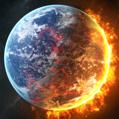
Iniciada en 1997, la guerra con los taurinos dura desde hace siglos. Como pasan de un mundo a otro a velocidades superiores a la de la luz, las tropas de la guerra interminable envejecen sólo unos pocos días mientras en la Tierra pasan los años y el planeta se vuelve cada vez más irreconocible. De este modo, la lucha más cruel que habrán de mantener estos soldados será su batalla personal contra el tiempo.
La guerra interminable es la novela más conocida de Haldeman, con más de un millón de ejemplares vendidos en inglés. Ha sido traducida a dieciocho idiomas y ganó los prestigiosos premios de ciencia ficción Hugo, Nebula y Ditmar a la mejor novela del año en 1974.
Review of 'The Forever War (The Forever War, #1)' on 'Goodreads'
4 stars
Haldeman's The Forever War has garnered a lot of praise and awards over the years, and is particularly lauded for it's anti-war themes.
The parrallels with the Vietnam War situation are obvious and there are quite a few points made about the stupidity of war, 'military intelligence', the dehumanising effects of battle, the dislocation felt by returning soldiers (made even more so by time dilation), and the difficulties of fitting back into a society that doesn't understand where you've been and what you've seen.
But for all that the tone of the novel is eminenetly readable, told from the laconic first person viewpoint of William Mandella, never preachy, and despite the fact it appears to come from a diametrically opposed political base, it reads like a modernised Golden Age Heinlein military SF romp.
Haldeman's The Forever War has garnered a lot of praise and awards over the years, and is particularly lauded for it's anti-war themes.
The parrallels with the Vietnam War situation are obvious and there are quite a few points made about the stupidity of war, 'military intelligence', the dehumanising effects of battle, the dislocation felt by returning soldiers (made even more so by time dilation), and the difficulties of fitting back into a society that doesn't understand where you've been and what you've seen.
But for all that the tone of the novel is eminenetly readable, told from the laconic first person viewpoint of William Mandella, never preachy, and despite the fact it appears to come from a diametrically opposed political base, it reads like a modernised Golden Age Heinlein military SF romp.